How to Choose Shooting Gloves for Pheasant Season
- Country Clothing
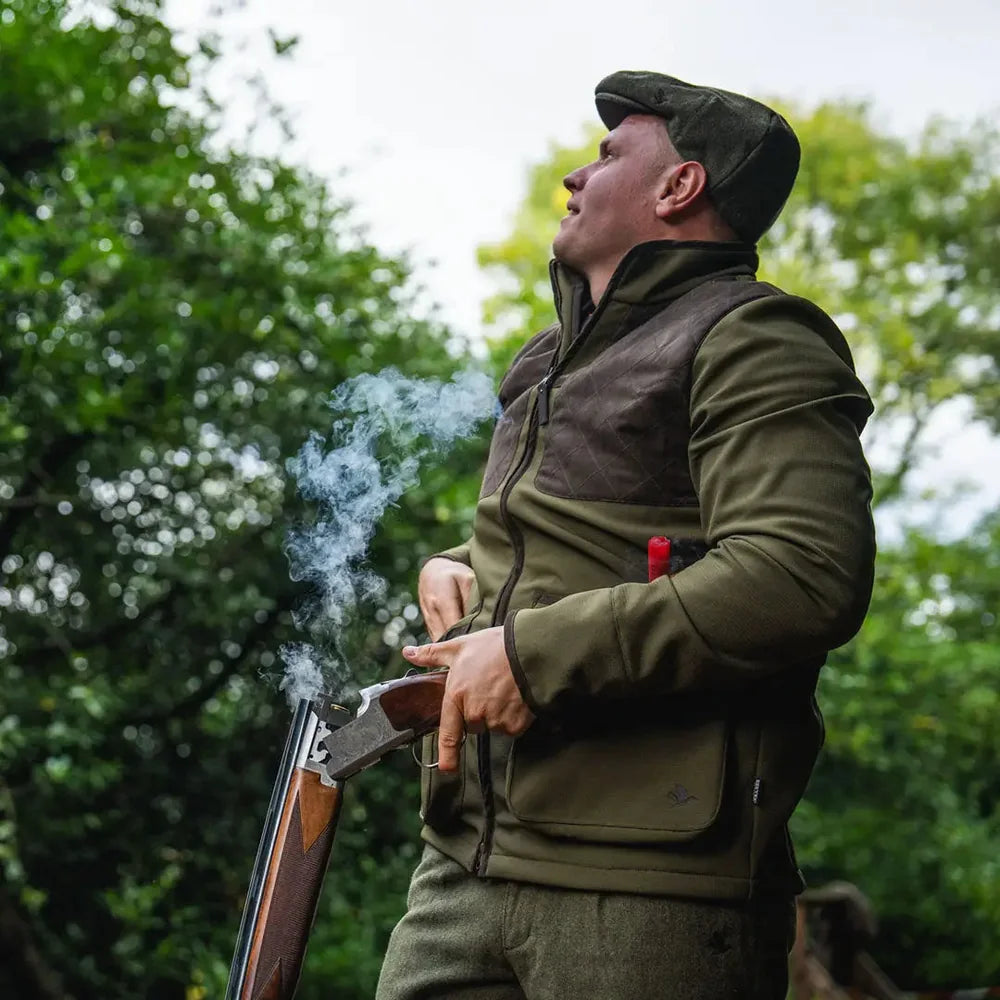
Choosing shooting gloves for pheasant season is less about finding the warmest pair and more about getting the balance right between warmth, fit, feel and the conditions you actually meet. A still morning at a peg, a walk through wet cover and a changeable afternoon can all ask different things of the same pair of hands. BASC lists pheasant season as running from 1 October to 1 February in England, Wales and Scotland, so early November is a useful moment to reconsider the small pieces of kit that make a long day more comfortable. BASC’s shooting-season guidance gives the country-specific dates.
A good shooting glove should feel familiar rather than distracting. It needs to sit comfortably beneath a jacket cuff, give a secure hold and suit the forecast without becoming bulky. This guide sets out what to check before you buy, then compares four current options. Product availability and size choice can move quickly, so check the individual page before ordering.
Start with feel, fit and the work you do
The first question is how much feel you need. A pair for a cold drive may prioritise insulation, while a day involving more walking, gates, dogs or kit handling may call for less bulk. The right answer depends on the temperature and your role.
Fit matters most at the fingers, palm and wrist. A glove that is too long in the fingers can feel clumsy, while one that is too tight across the palm may pull when you close your hand. Try it with your normal layers and check that the cuff does not leave an uncomfortable gap below your jacket sleeve.
Treat gloves as part of the wider outfit. Check the cuff with your shooting jacket for pheasant season and normal layers, because a glove that feels fine on its own can bunch beneath a close sleeve.
Choose the right balance of warmth and dexterity
There is usually a compromise between a warmer glove and a slimmer one. More insulation can be welcome during a long wait in a cold wind, but added bulk may not suit everyone. The aim is not to make one glove cover every possible day, but to choose the pair that matches most of your shooting.
Look at where the glove adds bulk. A reinforced palm may be useful for grip, while excess material at the fingers can be noticeable. A ribbed cuff can give a neat finish beneath a sleeve; an adjustable or zipped wrist may help tailor the fit. Neither replaces trying the glove with your own layers.
The Harkila Pro Shooter Gloves - Green provide a traditional leather-led option. The current product page lists goat leather, a reinforced leather palm and a ribbed cuff. They are a sensible example of the sort of glove to consider if palm construction and a close, straightforward cuff are high on your list. At the time of drafting, only Medium and XLarge variants were stock-positive, so size availability should be checked carefully.

For wet or windy days, judge protection by the conditions
When rain, wet hedges or a cold wind are likely, a glove with a protective fabric or membrane can be attractive. Decide how much exposure you genuinely expect. Someone walking briefly to a peg in a shower may make a different choice from someone spending much of the day in wet cover.
The Harkila Wildboar Pro Gloves - Willow Green/Shadow Brown use quick-drying microfleece with a water-repellent finish, leather palms and a windproof protective membrane according to the current product page. That combination may suit readers looking for a softer field glove with some defence against wind and surface moisture. The product is currently available in Medium, Large and XLarge, but sizes should be reconfirmed before purchase.
For a more weather-focused route, the Sealskinz Broome Waterproof All Weather Shooting Gloves - Olive Green are described by the manufacturer listing as waterproof and breathable, with a fold-back finger and sheepskin palm and fingers. Those are useful details to compare if wet-weather shooting is a regular part of your season. At drafting, the only stock-positive size was Small, so this is a product to check promptly rather than assume will remain available.
Do not overlook the palm, cuff and everyday handling
A glove can be warm and well made, yet still be wrong for the way you use it. The palm is where you notice grip and thickness, particularly once it is damp. A non-slip treatment or leather palm may appeal, but let fit decide the final choice.
Wrist construction has a practical effect too. A cuff that sits neatly under a jacket is easier to live with than one that bunches. A zip or closure needs to remain comfortable when you bend your hand.
The Seeland Climate Gloves - Pine Green are described as hard-wearing polyester gloves with insulation at the fingers, a non-slip palm coating and a zipped wrist opening. That makes them a relevant option for readers who want to compare a practical synthetic glove with leather or membrane-led choices. Medium and Large were the stock-positive sizes when checked for this draft.
Shooting gloves for pheasant season: build them into the whole system
The best shooting gloves for pheasant season work with the rest of your clothing, not against it. If your jacket cuffs are close-fitting, a very thick wrist section may be inconvenient. The job, forecast and your usual shooting ground should inform the decision.
For a still, cold day, favour comfortable warmth, a cuff that works beneath your jacket and a palm that remains secure. For a more active day, look for a glove that feels less cumbersome when handling kit. Carry a spare dry pair if wet ground or rain makes that sensible.
Gloves also need to sit sensibly alongside the clothing below the waist. Pair them with the practical layers discussed in our guide to what trousers to wear for pheasant shooting, and start with a comfortable shooting shirt for pheasant season. Planning the outfit as a system is more useful than expecting a single item to solve every weather change.
Use a short fitting check before the next day out
Before you rely on a new pair, make a few quick checks at home. Wear the shirt and outer layer you normally use, make sure the fingers sit correctly and check that the wrist does not chafe beneath the cuff. Keep the test practical.
Reassess the glove when the weather changes. A pair that suits a cold, dry day may not be the one you choose when rain is forecast, and a waterproof option can feel unnecessarily substantial in mild conditions.

Frequently asked questions
Should shooting gloves be tight or loose?
They should be close enough that excess material does not gather at the fingers or palm, but not so tight that your hand feels pulled or restricted. Try them with the jacket and layers you normally wear, then flex your fingers before deciding.
Are waterproof shooting gloves always the right choice?
Not necessarily. A waterproof pair can suit wet ground, persistent rain and cold conditions, but a lighter glove may feel more comfortable for dry or active days. Match the construction to the forecast and how much time you expect to spend exposed to wet cover.
What should I look for in a shooting glove palm?
Look for a palm that feels secure and comfortable in your own hand. Leather, reinforcement or a non-slip treatment may suit different readers, but the important test is whether the glove feels natural and does not add unwanted bulk.
How do I stop gloves clashing with jacket cuffs?
Try the gloves on with your usual shooting jacket. Check that the glove cuff sits smoothly beneath the sleeve, does not bunch when you bend your wrist and can be adjusted without leaving an uncomfortable gap.
Choose for the conditions you actually meet
A useful shooting glove is one you barely notice once the day is under way. Start with fit and feel, then decide how much weather protection, insulation and palm reinforcement suit your shooting. Browse the current shooting collection alongside the individual product pages, and recheck sizes before you order.