What Trousers to Wear for Pheasant Shooting: A Guide to Pheasant Shooting Trousers
- Country Sports
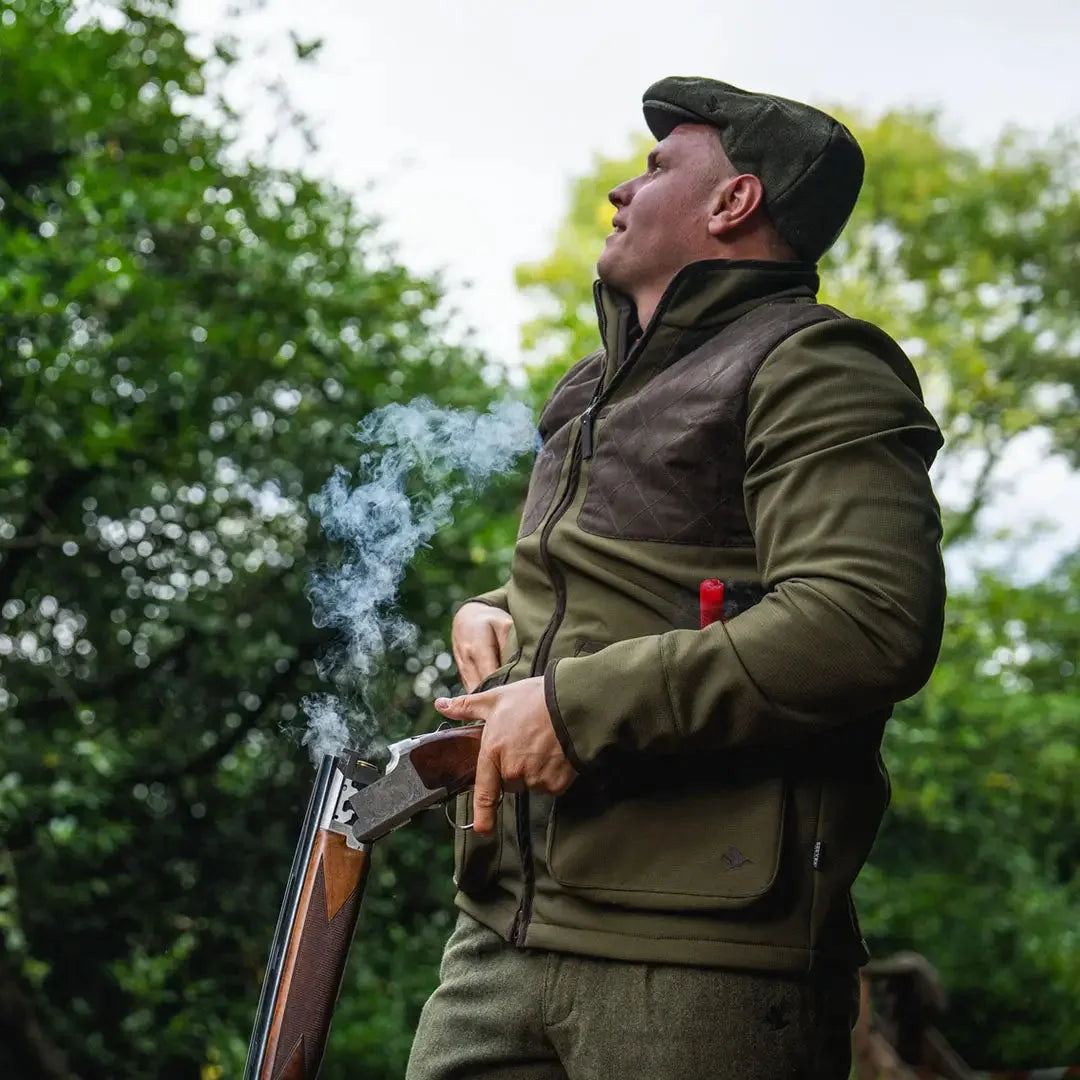
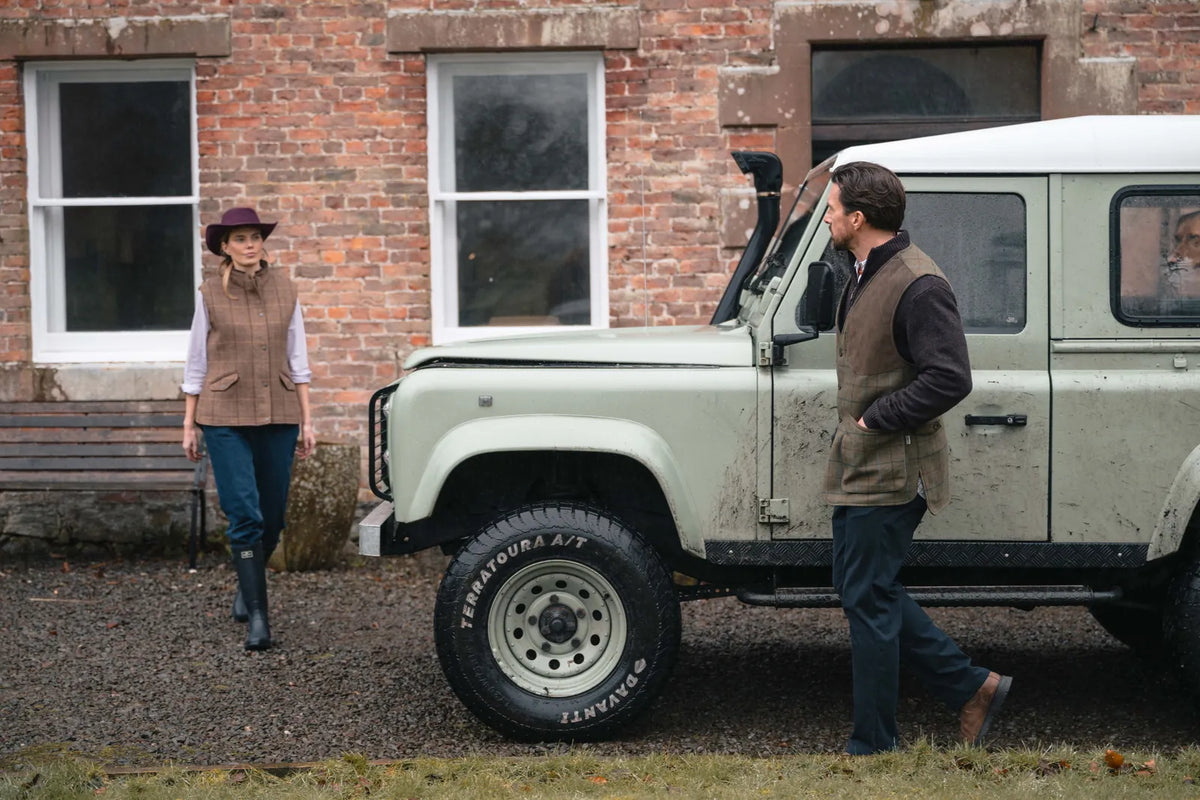
Pheasant shooting trousers need to do more than look appropriate in the line. They have to feel comfortable through a long walk to the first drive, remain useful when the cover is wet, sit neatly with boots or gaiters, and allow an easy mount without pulling across the knee or seat. With the pheasant season opening on 1 October in England, Wales and Scotland, according to BASC’s shooting-season table, late September is a sensible time to check the pair that will carry you into the first days.
The right choice depends less on following one fixed formula and more on the ground, weather and role you expect to take on the day. A Gun standing on a formal, dry shoot may lean towards breeks and long socks. Someone walking hedges, helping with dogs or crossing wet grass will usually value a more protective, technical trouser. This guide sets out the useful distinctions, then highlights five current options from John Norris.
Start with the day you are actually shooting
Think about the walk in, the terrain between drives and what happens when the weather turns. On an early-season day, wet grass and dew can be as relevant as rain. Later in the season, thicker cover, mud and a longer day outside can shift the balance towards a tougher outer fabric and more protection at the ankle.
For a relatively formal day with short walks and dry ground, a traditional trouser or breek can be the natural starting point. For rougher ground, beating, picking-up or a day where you may be in and out of a vehicle, a technical style with useful pockets and an adjustable lower leg will often be easier to live with. Neither route is inherently more correct. The key is matching the trousers to the work they will do.
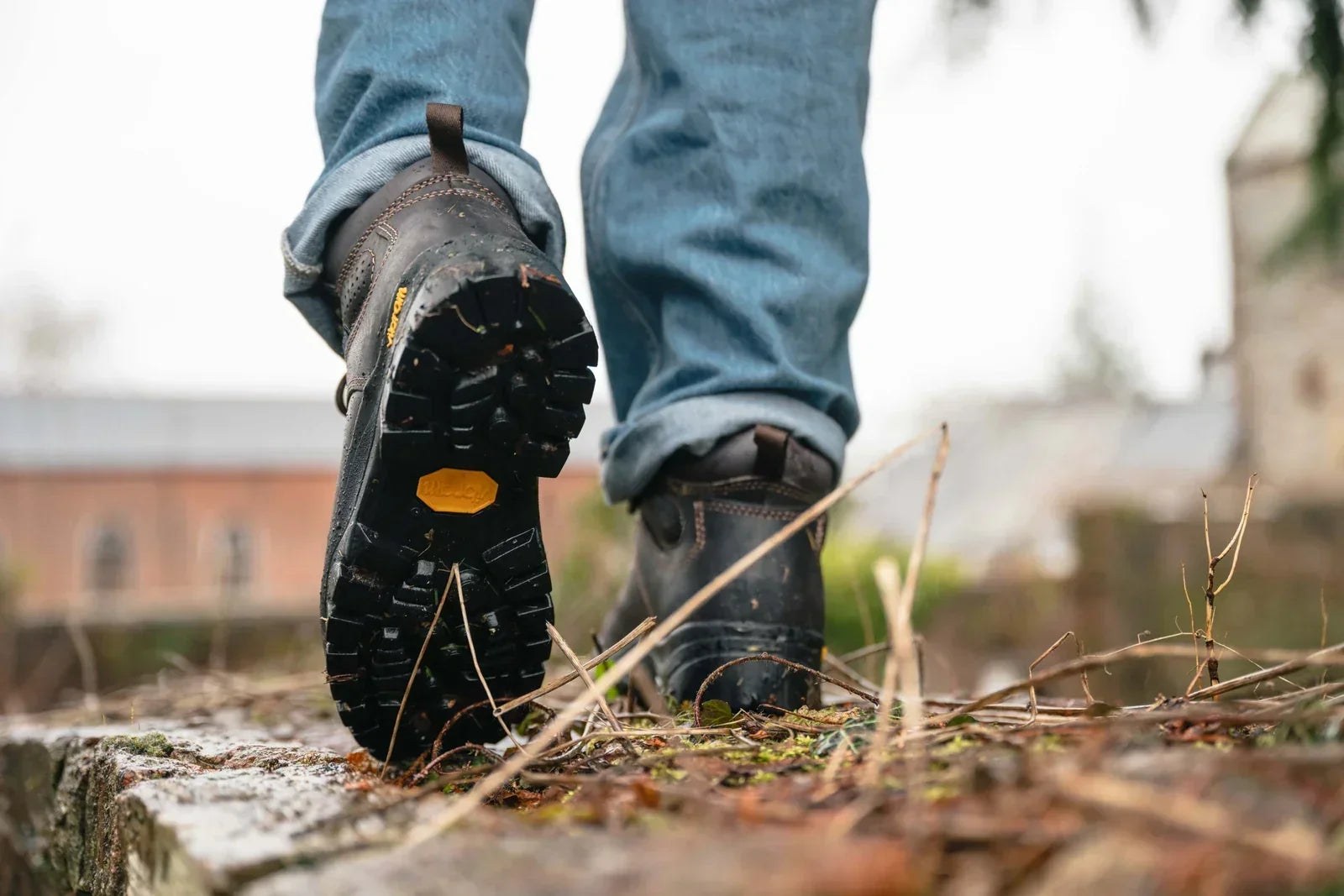
It is also worth deciding how the trousers will meet your footwear. A full-length style should fall cleanly over boots without snagging at the heel. If you prefer gaiters, check that the lower leg is not so bulky that it bunches underneath. Breeks are designed to finish below the knee and work with shooting socks and boots. Try the whole combination on at home, rather than leaving the first fitting until the morning of the shoot.
Choosing pheasant shooting trousers for fit and movement
A useful pair of pheasant shooting trousers should allow you to stride, step over a fence and mount a gun without distraction. There should be enough room through the thigh and seat to move, but not so much spare fabric that it catches on brambles or gets uncomfortable under a waterproof over-trouser. Bend the knee, take a long step and sit down when trying a pair on. These quick checks reveal more than standing in front of a mirror.
Pay particular attention to the waist position and the rise. A raised back can be helpful where you will spend time bending or moving over uneven ground, while a secure waistband helps keep layers in place. If you wear braces or a belt, take them into account. A shirt that repeatedly works loose is a nuisance on a long day, even if the trouser is otherwise comfortable.
For a technical option, the Härkila Aspire HWS Trousers combine a windproof and waterproof Härkila Weather System membrane with a mesh lining. Their knee and ankle adjustments are useful details for setting the lower leg around boots, particularly when the route to the peg is wet or uneven. The product page also notes a silent tricot outer fabric, a sensible consideration where movement through cover is part of the day.

Weather protection belongs at the lower leg
Trousers are not a substitute for a complete weather system, but they do determine how comfortable the lower half of the body remains when grass, cover and rain are persistent. Decide whether you need water resistance for occasional damp ground, or a waterproof construction for a day that may stay wet. A durable fabric can also matter where knees, cuffs and the seat are likely to meet thorny cover, vehicle steps or rough timber.
The Härkila Pro Hunter GTX Legacy Trousers are the more protective choice in this group. Their product specification lists a GORE-TEX membrane, CORDURA reinforcements at the ankle and waist, a raised back waistband and adjustable knee straps. These are practical features to consider if you expect demanding ground and need a trouser that can work with a boot rather than merely sit over one.
For a lighter, more general field option, the Jack Pyke Technical Hybrid Trousers have three zipped pockets, a knife pocket and a waistband shirt grip. The stated polyester-and-cotton fabric makes them a relevant option where the emphasis is on practical movement and carrying small essentials rather than a formal appearance. If rain is likely, build the rest of the outfit around a suitable waterproof layer. Our guide to waterproof outdoor clothing for early autumn explains how the shell, mid-layer and lower body need to work together rather than compete for room.
When breeks make sense
Breeks remain a practical choice, not simply a traditional one. Their shorter length avoids fabric gathering inside a boot and lets the wearer use shooting socks and garters in the usual way. They suit a more traditional shoot-day look, particularly where the ground is not relentlessly wet and where you will not be pushing through particularly dense cover all day.
The Jack Pyke Brown Tweed Breeks have a herringbone tweed with an overcheck, front pleats, a buttoned rear pocket and adjustable cuffs. The product description states that they are waterproof. The adjustable cuff is worth considering carefully: it should secure neatly above the sock without pinching or working loose during the day.
If this is your preferred route, give equal attention to socks and boots. The boot must offer enough space for the sock without compressing it, and the top of the boot should sit comfortably below the breek cuff. The visual balance is secondary to this basic comfort check. For more on setting the upper half of the outfit around the conditions, see our autumn country clothing guide to choosing a fleece gilet. A gilet adds useful warmth without crowding the gun mount, but it should not lead to a cramped waistline once the breeks and shirt are in place.

Pockets, cuffs and everyday field details
Small design decisions often become important after several hours outdoors. A thigh pocket that is easy to reach with gloved hands, a secure pocket for a knife or vehicle key, and a cuff that closes sensibly around a boot are all more useful than decorative detail. Consider what you normally carry, then avoid loading every pocket simply because it is there. Heavy items pulling against the leg can affect comfort and movement.
The Jack Pyke Fieldman Trousers provide two front pockets, two rear buttoned pockets, two leg pockets and ankle zips. That makes them a straightforward option for a day where pocket organisation and getting the lower leg over boots are priorities. They may suit someone who wants a versatile country trouser for shoot-day preparation, walking to a peg and general outdoor use.
At this point, it is helpful to assess the outfit as a complete system. Trousers that are comfortable with a thin base layer may feel different with a warmer layer underneath. A jacket that ends at the waist can interact with a high-backed trouser, and a bulky gaiter may alter the fit at the cuff. Our autumn country walking-layers guide is written for walking, but the same principle applies: choose the layers for the conditions and make sure each one has room to work.
A straightforward pre-season check
Before the first pheasant day, put on the trousers, shirt, socks, boots and outer layer you intend to use together. Walk up stairs, take a long stride and practise a safe gun-mounting motion with an unloaded gun only where safe and lawful to do so. Check that the cuff stays where it should, that the waistband remains comfortable, and that nothing catches behind the boot.
Then make a small weather-based decision. If the forecast and ground suggest persistent wet, favour the pair with the level of protection and lower-leg adjustment you need. If the day is likely to be dry and more formal, a well-fitted breek and sock combination can be entirely practical. Keeping the choice specific to the ground is more useful than buying one pair to cover every possible shoot.

Frequently asked questions
Should pheasant shooting trousers be waterproof?
Not always. For a dry day with limited walking, a water-resistant or traditional trouser may be sufficient. If wet grass, rain or dense cover are likely, choose a level of protection that suits those conditions and make sure the cuff works with your boots.
Are breeks suitable for early-season pheasant shooting?
Yes, provided the weather, ground and shoot style suit them. Pair them with correctly fitted shooting socks and boots, and consider a full-length technical trouser if you expect sustained wet ground or thick cover.
Should trousers go inside or over shooting boots?
Full-length trousers normally sit over the boot or work with a gaiter, while breeks finish below the knee and sit above shooting socks. The right arrangement is the one that stays comfortable and does not create bulk at the cuff.
How should shooting trousers fit?
They should allow a full stride, a comfortable bend at the knee and an unrestricted gun mount, without excessive material catching on cover. Test them with the socks, boots and layers you will wear on the day.
Choose for the ground, then prove the fit
The most useful pheasant shooting trousers are the pair that suit the conditions you will actually meet. Start with movement and boot compatibility, then add the degree of weather protection, reinforcement and pocket space that your day requires. The first weeks of the season are a good time to keep the approach simple: wear the full outfit beforehand, make any adjustment at home, and choose a trouser that lets you focus on the shooting rather than the clothing.
Explore the linked options above to compare technical, protective, general field and traditional breek styles before the season begins.