What to Wear for Autumn Grayling Fishing
- Fishing Clothing
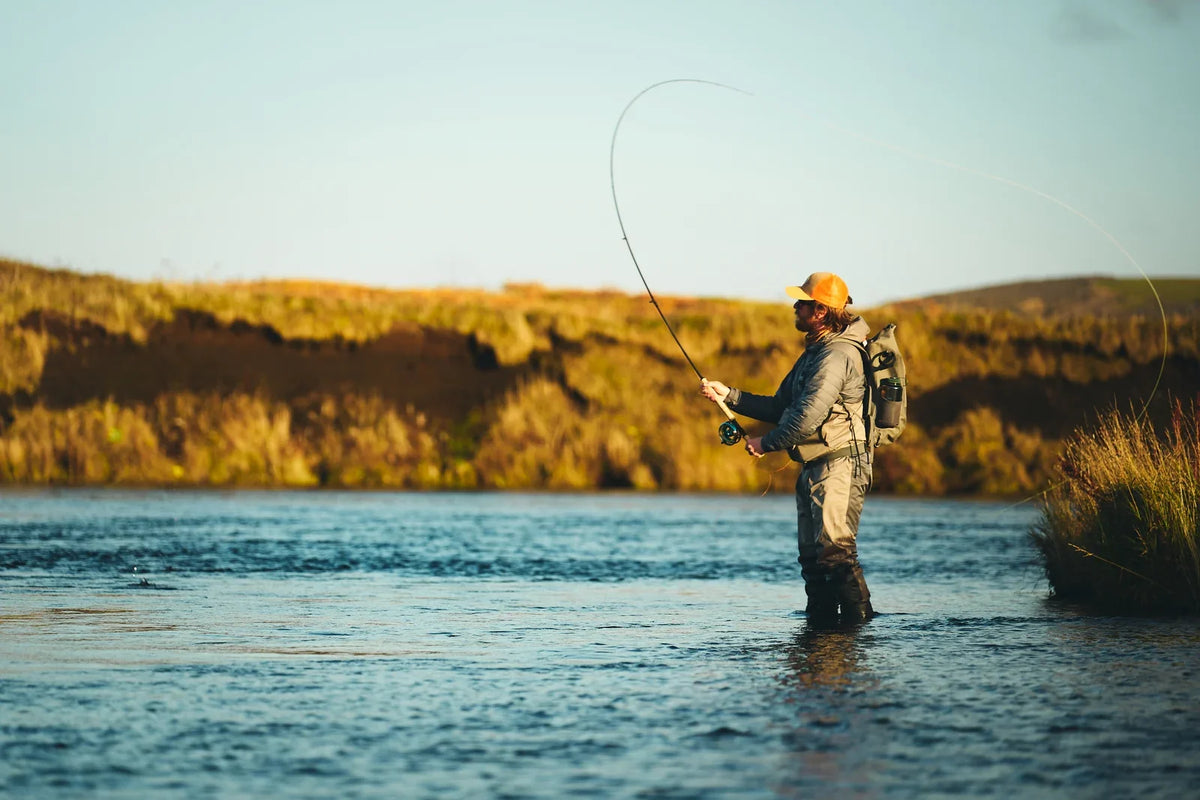
Knowing what to wear for autumn grayling fishing can make a long day on the river more comfortable without turning the outfit into a bulky compromise. October often brings a cold start, wet grass at the bank and water that feels markedly cooler than the air. Then, after a walk or a spell of casting, the same outfit can feel entirely different. The useful approach is to build a system that lets you adjust warmth, keeps the essentials working together and does not restrict your footing or movement.
The Fishing Passport’s grayling guidance describes September to December as a particularly productive period on its Wye beats, when fish feed in earnest and begin to shoal before winter. Conditions and rules vary by river and fishery, so check the local guidance before you leave. This article concerns the practical clothing decisions around the day: what to put inside the waders, how to layer above them and how to test the full outfit before the first cast.
Start with the river, weather and walk in
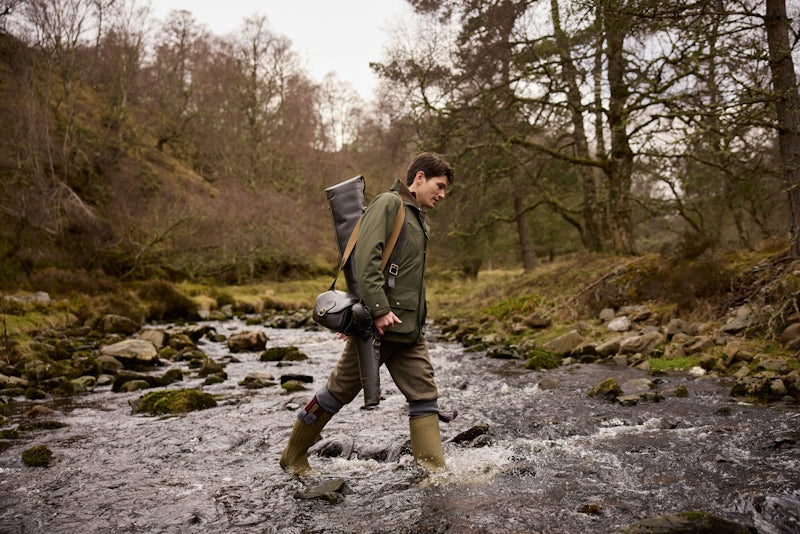
An autumn grayling day may involve standing in moving water, walking between pools, climbing a bank or pausing in an exposed place to change leaders and flies. Each part asks something slightly different of the clothing. A warm walk from the car can make an over-heavy upper layer feel uncomfortable before you reach the water. In contrast, a long stationary spell in cool water can expose a gap in the system quickly.
Begin with the route and the forecast, then assess the likely water level and bank conditions using the information supplied by the fishery. Take a second layer and waterproof shell rather than trying to make one heavyweight garment cover every situation. That is the same principle behind our waterproof outdoor clothing guide: separate the job of warmth from the job of managing rain and wind.
Pack the full combination, including socks, waders, boots and the layer that will sit beneath your jacket. It is easy to judge a fleece or jacket in isolation at home, but less useful if it creates bulk below the wader bib or catches when you reach for a net. Before leaving, walk up stairs, squat gently and make a few casting movements with the layers on. This short test tends to reveal a tight shoulder, an awkward cuff or a belt that needs adjusting before it becomes a distraction beside the river.
What to wear for autumn grayling fishing inside the waders
The layers nearest the skin deserve more thought than they often receive. They should be comfortable, sit flat and leave enough room for the wader socks and gravel guards. In cool water, avoid adding so much bulk that your feet or lower legs feel cramped, particularly if the day includes a walk across uneven ground.
The Guideline Glacier Wading Socks in Grey offer a wool-terry construction and can be used on their own or with a thinner liner sock, according to the product listing. The practical point is to try the sock choice inside the exact boots you intend to wear. A sock that feels comfortable indoors can alter the fit of a wading boot once the foot is wet or you have been walking for an hour.
Over this base, a breathable wader should allow you to move naturally at the knee, hip and shoulder. The Guideline Laxa 2.0 Zip Sidewinder Waders are listed with a four-layer nylon fabric, adjustable suspenders, a wader belt and shaped neoprene socks. Those features are worth evaluating in person as part of the complete outfit, rather than treating a stated fabric or a size label as a substitute for fit.
If you have an established pair of breathable waders, it is often sensible to inspect them before the season becomes properly cold. Check the seams, socks, gravel guards, belt and any areas that have been regularly folded in storage. Our guide to repairing and maintaining breathable waders provides a useful starting point. A small issue is easier to address at home than when you are already committed to a day on the water.

Keep upper-body warmth flexible
A mid-layer is useful when it contributes warmth without getting in the way beneath the wader bib, vest or outer jacket. It should still let you bend forward, reach to a pocket and cast without the shoulders bunching. A thin base layer paired with an insulating layer is usually easier to regulate than one thick garment, especially on a day that starts cold but includes a walk between runs.
Keep an eye on how the collar and hood interact. A high collar can be welcome in wind, but it should not press against the neck when the wader straps and jacket are fastened. Likewise, a bulky hood may sit awkwardly below a wading-jacket hood. Put the whole system on in the order you will use it and make any adjustments while dry.
For rain, spray and a cool wind, a dedicated outer layer is more useful than expecting the mid-layer to do every job. The Guideline Alta NGx Wading Jacket in Algae Green/Graphite is listed with articulated shoulders and elbows, a high fleece-lined collar, an adjustable hood and hand-warmer pockets. These are practical details to look for where casting movement and a wet day are both likely. The right jacket is the one that leaves the cast unrestricted and still works over the layers you actually own.
Keep a spare dry top in the vehicle or pack where the journey allows. This is not an invitation to overpack. It is simply a useful contingency if an outer layer is damaged, a shower arrives during the walk back or the temperature drops more than expected. Once the day is over, turn the waders and any damp layers inside out where the care guidance permits and allow them to dry fully before storage.
Choose boots for the day’s footing
Wading boots need to work with the size and shape of the wader sock as well as the ground you will cover. A secure boot should let you place your feet carefully without the heel moving excessively, while still leaving enough room for the chosen sock. Do not use a thicker sock to cure a boot that is otherwise a poor fit. It may simply create pressure where you do not want it.
The Guideline Laxa 3.0 Wading Boots with Felt Sole are described by the product listing as having a supportive midsole, reinforced toe and heel areas, and a stitched felt outsole. Check the relevant fishery rules before choosing any sole type, then judge the boot by how it fits your own foot and waders. The question is not whether one outsole is universally right. It is whether the selected boot is permitted and appropriate for the water, bank and walking you expect that day.
Before stepping in, tighten the laces gradually from toe to ankle and take a few minutes at the water’s edge to confirm there is no heel lift. Move deliberately, use a wading staff where you consider it appropriate and do not let a carefully chosen outfit create misplaced confidence about depth, current or slippery rocks. For more detail on comparing boot types and fit, see our wading boots buyer’s guide.

Use a simple pre-river check
The evening before, set out each item in the order it will be used. This saves time at the bank and makes a missing layer or damaged lace more obvious. Look at the forecast, check the fishery’s latest notice and decide whether you are carrying a light insulated layer, a waterproof jacket or both.
On the morning, put on the socks and boots together, then fit the waders over the top. Secure the belt if your waders are designed for one, adjust the shoulder straps and make sure the upper layers do not catch on the chest pockets or straps. Put the jacket on last, close it, then raise your arms and turn at the waist. If it feels awkward in the car park, it is unlikely to improve in the river.
Finally, keep dry clothes for the journey home. A change of socks and a warm layer cost little space and can make the end of a wet, cool day far more pleasant. The aim is straightforward: select layers that let you attend to the river, the conditions and your fishing without repeatedly having to adjust the clothing.
Frequently asked questions
Should I wear a fleece under waders for autumn grayling fishing?
Choose the layer by the weather, water temperature and how much walking you expect to do. A light insulating layer can be useful on a cold start, but it should not create bulk that restricts the wader fit or makes you uncomfortable once you are moving.
How should wading boots fit with thicker socks?
Try the boots on with the exact socks and wader feet you intend to wear. The heel should feel secure and the toe box should not be cramped. If a thicker sock makes the boot tight, reconsider the combination rather than forcing the fit.
Do I need a wading jacket in autumn?
A wading jacket can be useful where wind, rain or spray are likely. The key checks are whether it works over the layers you own, leaves a natural casting movement and has a collar and cuffs that remain comfortable when the waders are adjusted.
What should I check before wading?
Review the local fishery rules, river and weather information, the route to the water and your own equipment. Check that the waders, boots and layers fit together, then make careful decisions at the water according to the conditions in front of you.
Build comfort around the whole day
The answer to what to wear for autumn grayling fishing is rarely a single heavy garment. Start with a comfortable sock and wader combination, add warmth that can be adjusted, then choose an outer layer and boots that suit the weather and the water. Try the system together before you leave, and check the local rules and conditions on the day. A considered outfit will help you stay comfortable from the first cool walk to the final cast.