How to Choose Outdoor Trousers for Autumn Walks
- Autumn Walking
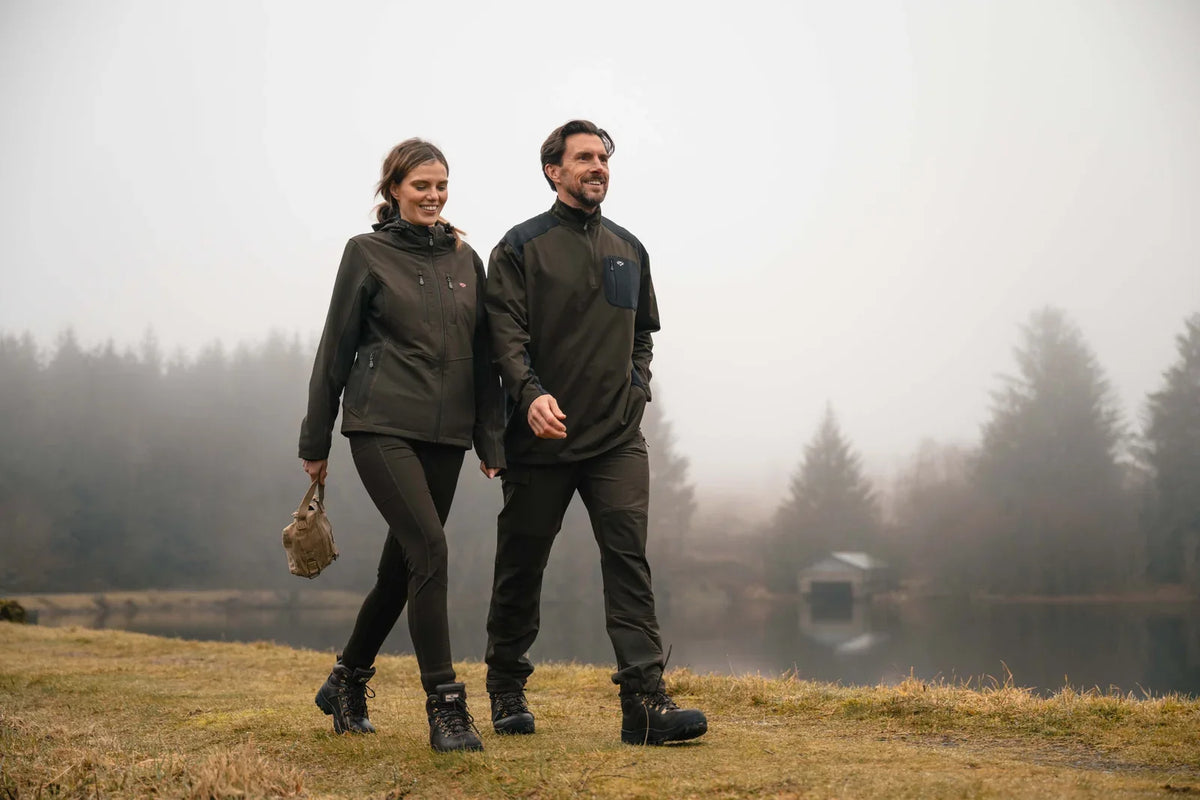
Outdoor trousers for autumn walks need to do more than look the part. They should let you climb a stile, stride out on a muddy track and deal with a shower without becoming uncomfortable. In Britain, an autumn walk can begin cool and still, then turn wet or windy before lunch, so a sensible choice comes from matching the trouser to the ground, forecast and time you expect to be out.
The best pair is not always the most technical one. For a short local walk, comfortable stretch, a useful pocket and a fabric that sheds light moisture may be all that is needed. For rougher ground, a longer day, dog walking or an exposed route, a waterproof construction, a secure waist and adjustable hems become more worthwhile. Start with the day ahead, then choose the features that will genuinely earn their place.
Choosing outdoor trousers for autumn walks: start with the day ahead
Before looking at fabric or pockets, think about where the walk leads. A well-made path through low ground places different demands on clothing from a brambly dog walk, a steep woodland track or open hillside. The British Mountaineering Council’s guidance on hill walking is a useful reminder to choose clothing for the route, activity and forecast, rather than simply the season.
In autumn, that planning matters. A dry forecast can still mean wet grass, muddy gates and puddled paths, while a high or exposed route can be much colder than the valley. Mountain Weather Information Service advises walkers to check mountain weather and carry waterproofs, an extra warm layer, hat and gloves as conditions become colder, wetter and windier. Trousers are one part of that system, not a substitute for checking the forecast, carrying suitable layers or choosing a route that fits the conditions.
For an overview of how the top and bottom halves work together, see our guide to autumn country walking layers. The same principle applies: carry a little flexibility rather than relying on a single garment to solve every change in the weather.
For a short, active outing, a lighter stretch trouser is usually more comfortable than a heavy waterproof pair. If rain is likely to be prolonged, or the route involves wet vegetation and working around dogs or the field, waterproof trousers become a more practical choice. There is no single answer, but this first decision keeps the rest of the choice honest.
Prioritise fit, movement and the right leg length
A good walking trouser should move with you without pulling at the knee, catching at the calf or slipping at the waist. Try the simple movements you make outdoors: step up, squat to fasten a boot, bend to a lead or reach over a gate. If a pair feels restrictive in the fitting room, it will not improve halfway around the route.
Look for a cut that leaves room to layer underneath when the weather calls for it, but avoid excess material that can snag in brambles or stay wet after rain. Articulated knees and stretch fabric are useful when the walk includes uneven ground or long strides. An adjustable hem is valuable around walking boots: it can help keep the lower leg tidy and reduce the amount of loose fabric sitting in mud or vegetation.
Waist security is equally important. A waistband that stays in place when you are carrying a small rucksack or repeatedly climbing and descending makes a difference over a few hours. Check the manufacturer’s size guidance, particularly where a brand uses EU sizing. It is better to compare measurements and allow for the base layer you will actually wear than to assume your usual jeans size will translate exactly.
For more footwear advice, our guides to cleaning walking boots and deciding whether gaiters are useful are useful companions. Boots, hems and lower-leg protection work together, especially once paths become muddy.

Decide how much weather protection you genuinely need
It helps to distinguish between a trouser that repels a passing shower and one designed for sustained wet weather. A lighter trouser with a durable outer fabric can be the better option for dry, brisk walks, as it is often easier to move in and less likely to feel warm. It is not, however, the same as a waterproof shell or waterproof field trouser.
For rain, long grass and regular contact with wet ground, a waterproof pair earns its place. Look at how the waist, fly and hems are finished. Adjustment at the ankle helps the trouser sit sensibly over footwear, and properly placed pockets can be useful without becoming a point where water or bulk gathers. If you plan to carry waterproof overtrousers separately, consider how easily they can go on over boots. The BMC notes that trousers which can be put on and taken off over footwear are more convenient when the weather changes.
Breathability also matters, but it is best treated as a practical comfort consideration rather than a promise that you will never feel warm. Your pace, the gradient, layers underneath and the humidity all influence how a garment feels. Use the forecast, start a little cooler rather than overdressed, and adjust layers before you are working hard.
Four practical trousers to consider
The following options were checked as live, Active and saleable on 15 October 2026. Stock changes, so always check the product page for the current sizes before ordering.
- Seeland Ash Outdoor Trousers - Pine Green are a lighter option for active days where complete waterproofing is not the main requirement. Seeland describes the stretch fabric as repelling light rain and dirt, with articulated knees and an elasticated waist. That makes them worth considering for dry-to-damp paths, dog walking and terrain where freedom of movement matters.
- Hoggs of Fife Ardross Pro Waterproof Field Trousers - Dark Olive suit days when wet weather is a real part of the plan. The product details list a waterproof construction, rubberised grip inner waistband, ankle-adjuster tabs and multiple pockets. Those are practical details for longer walks, rougher ground and conditions where keeping the lower body dry matters more than the lightest possible feel.
- Hoggs of Fife Kincraig Field Waterproof Trousers - Olive Green are described as a waterproof field trouser for long days outdoors, including dog walking. They are a sensible direction for someone who wants an everyday country trouser with more protection than a lightweight stretch pair. As with any waterproof garment, check the fit over the layers and boots you normally use.
- Hoggs of Fife Ladies Struther Waterproof Field Trousers - Sage combine a waterproof, breathable specification with waterproof zips at the fly and cargo pockets, plus adjustable hems. Those details make them a considered option for wet paths, countryside walks and practical outdoor tasks where the hem and pocket layout matter.

Build a simple autumn walking system
Trousers work best when the rest of the kit is chosen with the same restraint. A comfortable base layer, walking socks and boots that match the ground make a greater difference than adding features for their own sake. For wet, windy walks, add a waterproof jacket and keep a warm layer accessible. Our guide to waterproof outdoor clothing for early autumn explains how to think about outer layers when conditions change during the day.
For a milder walk, use the lightest trouser that is appropriate for the ground and keep a waterproof layer in the pack if the forecast is uncertain. In heavier rain or where vegetation is soaked, a waterproof trouser provides the more straightforward answer. The important thing is not to force one pair into every situation.
Finally, look after the garment. Mud left to dry can make a trouser less pleasant to wear and may affect how well the outer fabric sheds water. Brush off dirt when it is dry, follow the individual care label, and use a suitable cleaner or reproofing treatment only where the manufacturer recommends it. Clean, well-fitting trousers are more useful than an expensive pair left damp in the boot room.
Frequently asked questions
Do I need waterproof trousers for every autumn walk?
No. For a short walk in mainly dry conditions, a comfortable stretch trouser that copes with light moisture may be the better choice. Waterproof trousers are more useful when rain is likely to be prolonged, the route is wet underfoot or you expect regular contact with wet vegetation.
Should outdoor trousers fit over base layers?
They should have enough room for the layer you realistically expect to wear. Try the trousers with your usual walking socks and consider whether you may add a thin thermal layer on colder days, while avoiding a fit that bunches or rubs.
What should I look for at the hem?
The hem should sit sensibly with your walking boots and not drag in mud. An adjustable hem can be useful when the route is wet or uneven, and it is worth checking this while wearing the footwear you walk in most often.
Are field trousers suitable for walking?
They can be, provided the fit, weather protection and freedom of movement suit the route. Field-oriented trousers often bring useful pocket, hem and waterproof features, but the forecast and terrain should still determine whether they are right for the day.