How to Choose a Shooting Shirt for Pheasant Season
- Country Clothing
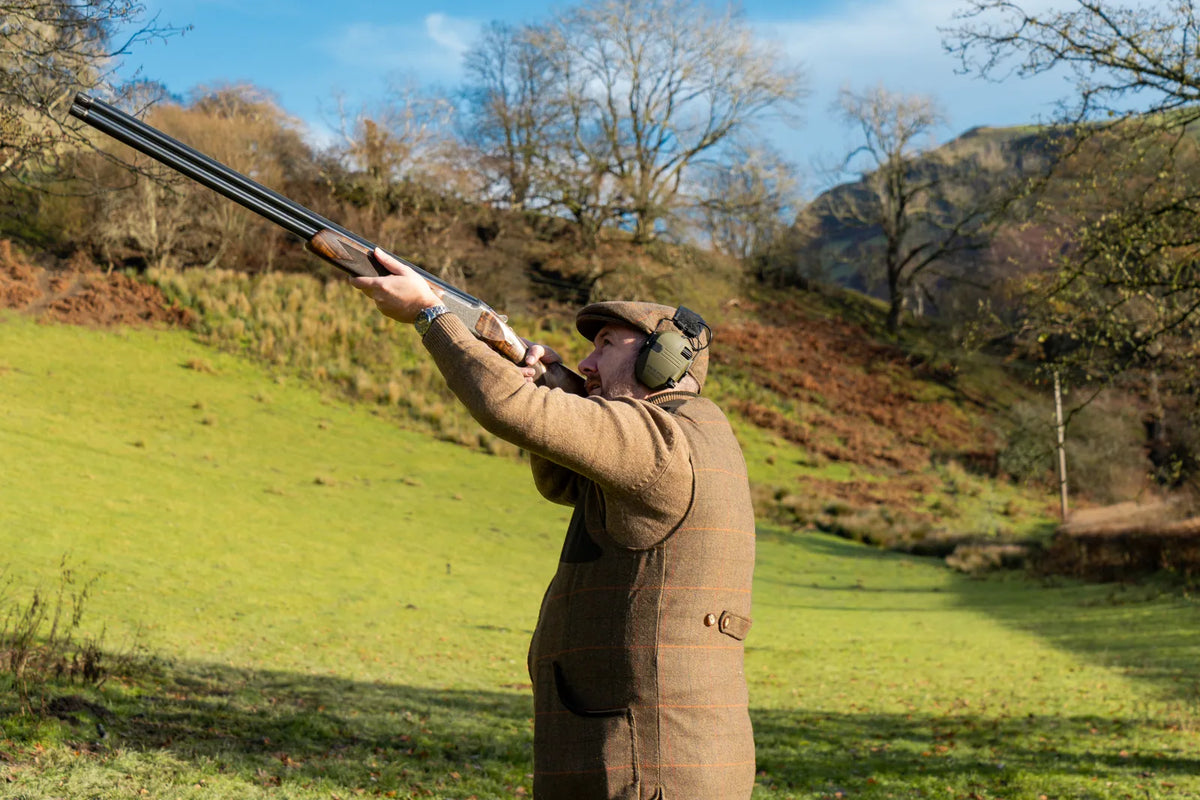
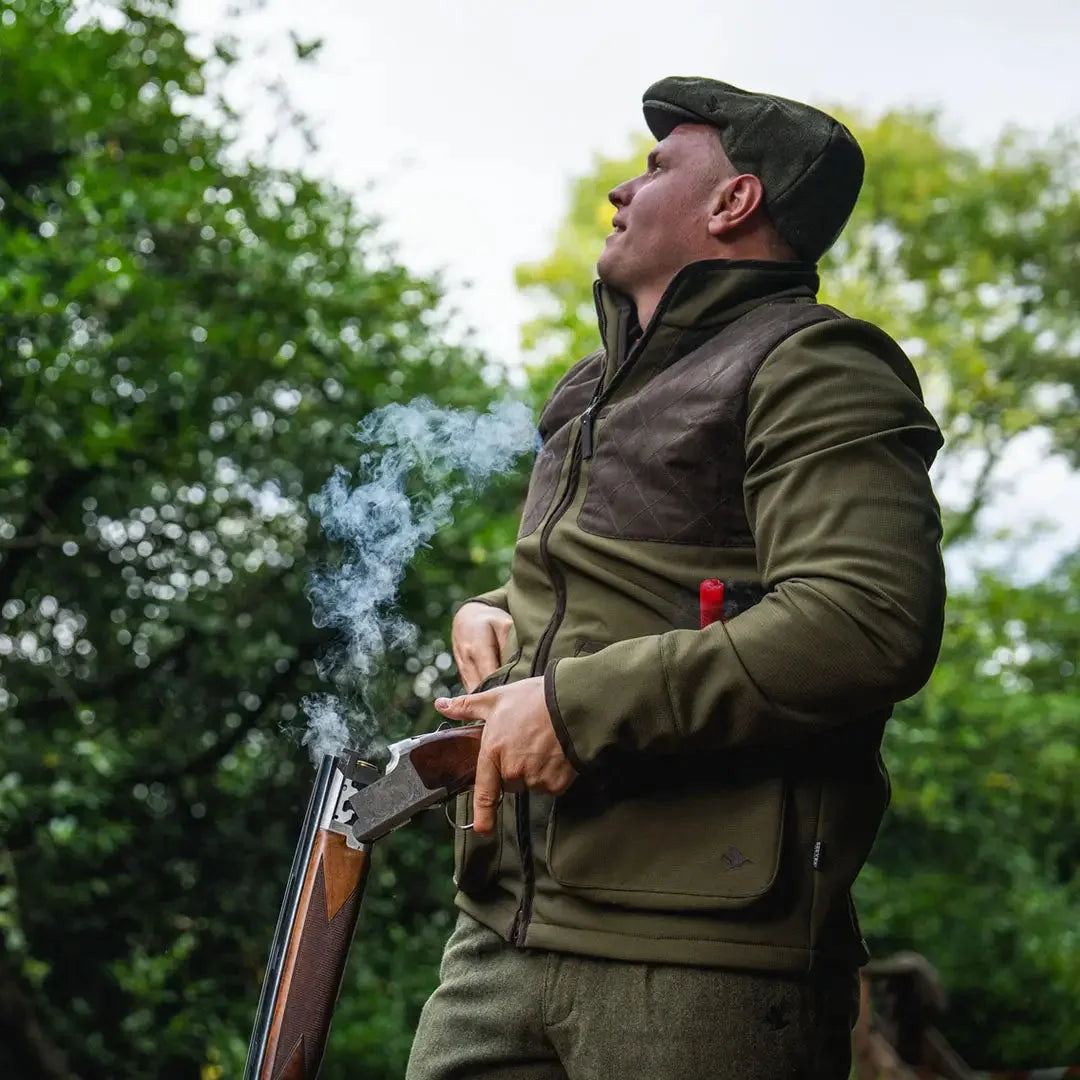
A shooting shirt for pheasant season has an unassuming but important job. It is the layer worn closest to the skin, yet it needs to remain comfortable through a walk to the first drive, sit properly beneath a waistcoat or jacket and allow an unrestricted gun mount. With pheasant season opening on 1 October in England, Wales and Scotland, as set out in BASC’s shooting-season table, this is a useful point to test the shirt you intend to wear.
There is no single shirt that suits every shoot. The right choice depends on whether the day is formal or practical, how far you expect to walk, and whether the forecast calls for a gilet, waistcoat or weather layer over the top. This guide concentrates on fit, fabric, collar and cuff details, then looks at five current country-shirt options from John Norris.

Start with the shoot, not the pattern
A check or tattersall is familiar on a shoot day, but appearance is only one part of the decision. Think first about the role you will have and the conditions likely underfoot. A Gun standing for a relatively formal day may want a neat cotton shirt that works under a waistcoat. Someone walking cover, helping with dogs or spending longer outdoors may prefer a shirt with a little more warmth or a more forgiving layering role.
The first pheasant days can involve a cool start, a milder middle of the day and damp cover after rain or dew. That does not mean the shirt needs to solve every weather problem. Its purpose is to provide a comfortable base, then leave enough room for the layers that respond to the conditions. A shirt that already feels close across the shoulders will not improve when a gilet, waistcoat or waterproof is added.
Set the whole outfit out before the day. Put the shirt on with the trousers, socks and boots you expect to use, then add the outer layers one at a time. Our guide to pheasant shooting trousers covers the lower-half choices that need to work with the shirt and outer layers, from formal breeks to more technical field trousers. The aim is a practical combination, not a rigid uniform.
Choosing a shooting shirt for pheasant season: fit and movement
A well-chosen shooting shirt for pheasant season should allow a full reach forward and a comfortable gun mount without pulling across the upper back, chest or cuff. When trying one on, raise both arms, bend to pick up a cartridge bag and sit down. These ordinary movements quickly show whether the shoulders and sleeve length work for you.
Pay attention to the collar too. A button-down collar can keep the points settled beneath a waistcoat or jacket, while a traditional collar may suit a tie and a more formal occasion. Neither is automatically better. The useful choice is the one that stays comfortable at the neck and works with the layers you already own.
The Jack Pyke Countryman Shirt in Green Check is a straightforward checked option with a button-down collar and chest pocket. For a different checked colourway, the Jack Pyke Countryman Shirt in Burgundy Check also has a button-down collar and breast pocket; its listed details include adjustable cuffs and a cotton-polyester fabric. These are useful features to assess when you want a shirt that can be adjusted around the wrist and sit neatly beneath other clothing.
Do not buy a shirt on collar size alone if the shoulder fit is wrong. A shirt that is comfortable when standing but reaches tight when you lift your arms can become a distraction after only a short time in the field. Conversely, too much excess fabric can bunch under a waistcoat or get caught at the elbow beneath a jacket. The simplest test remains trying the full shoot-day combination together.
Fabric and warmth for an October start
Cotton remains a sensible starting point for many country shirts because it feels familiar and works well with a layered outfit. A lightweight or medium-weight cotton check can be suitable where the day may warm up, particularly when a gilet or waistcoat can be added and removed. The advantage is flexibility, not a claim that one fabric will suit every forecast.
The Härkila Milford Shirt in Multi Check is listed as a fitted shirt in 100% cotton fine twill, with a chest pocket and button closure. The product page notes that Härkila garments are labelled with EU sizes, so it is worth checking the brand’s sizing guidance and trying the intended fit before a shoot day. The Hoggs of Fife Inverness Cotton Tattersall Shirt in Wine/Blue/Green is described as 100% long-staple cotton, offering a traditional tattersall route for the reader who wants a shirt that can also be worn beyond the shooting field.
Where the morning is likely to be colder, a lined shirt can reduce the need for immediate bulk. The Hoggs of Fife Beech Micro Fleece Lined Shirt in Green Check has a 55% cotton and 45% polyester outer with a 100% polyester microfleece lining. Its listed two-stage adjustable buttoned cuffs and side-seam vents are useful details to consider when assessing a warmer shirt for movement and layering. It should still be tried beneath your preferred outer layer, rather than assumed to replace it.

Build the upper half as a working system
The shirt, insulating layer and weather layer should each have a clear job. Start with the shirt, then add a gilet or waistcoat when the air is cooler. Add a waterproof or protective outer layer when the conditions call for it. This is more effective than starting with the thickest shirt available and discovering there is no room left for the rest of the outfit.
A gilet works well where you need warmth at the torso while keeping the arms free. Our guide to choosing a fleece gilet for autumn country clothing explains why trying the layers together matters. In shooting terms, the collar should not catch against the gilet or waistcoat, and the shirt should not pull when you reach forward.
For persistent rain or wet vegetation, the outer layer matters more than attempting to make the shirt carry the whole burden. The waterproof outdoor clothing guide considers how a shell, mid-layer and lower body can work together. The same principle applies here: avoid adding so much bulk that the outfit feels awkward or restricts natural movement.
It is sensible to take a minute with the intended combination before leaving home. Close the waistcoat or jacket, reach forward and turn at the waist. If the shirt cuffs ride too far up the arm or the collar presses at the throat, adjust the combination while there is time. Small fit issues are easier to address before the first drive than after it begins.

Cuffs, pockets and practical finishing details
Cuffs are a minor detail until they interfere with the rest of the outfit. An adjustable cuff can help the sleeve sit properly at the wrist, particularly if you wear a watch or need the shirt to work below a jacket cuff. It should fasten securely without feeling tight. If the sleeve length is wrong, a cuff adjustment is not a substitute for a better-fitting shirt.
A chest pocket can be useful for a small item, but avoid overloading it. Heavy objects in a shirt pocket can pull the fabric forward and become uncomfortable when wearing a waistcoat or jacket. In the same way, choose a shirt that can be tucked in or worn as intended without repeatedly working loose once you start walking.
Consider the collar and cuff alongside the formality of the day. A shirt and tie may be right for one shoot; elsewhere, a checked shirt under a gilet may be the more practical combination. The key is to follow the host’s guidance and the character of the day, then make sure the clothing lets you move comfortably. There is no value in a smart-looking shirt if it distracts from safe, relaxed shooting.
A short pre-season fitting check
Before the pheasant opener, wash or prepare the shirt according to its care label, then try it on with the exact layers you expect to wear. Take a long stride, sit down, raise both arms and make a controlled, safe gun-mounting motion with an unloaded gun only where lawful and appropriate to do so. Check the collar, shoulder seam, sleeve length and cuffs rather than relying on a quick glance in the mirror.
Have an alternative ready if the forecast changes. A cotton or tattersall shirt may be all that is needed under a gilet on a dry day. A lined shirt may suit a colder start. In sustained rain, preserve the comfort of the base layer by adding an appropriate waterproof outer layer. This simple approach keeps the outfit adaptable without needing to carry an excessive number of garments.
Frequently asked questions
Should a shooting shirt be cotton?
Cotton is a common and practical choice for a country shirt, particularly when it will be worn as part of a layered outfit. The useful test is comfort, fit and how the shirt works with the gilet, waistcoat or jacket you expect to wear.
Should I wear a shirt with a waistcoat for pheasant shooting?
A shirt and waistcoat can be a practical combination when the temperature and style of the day suit it. Try both together first, checking that the collar, shoulder seams and cuffs remain comfortable and that you can move freely.
Are lined shirts suitable for shooting?
They can be useful for a cooler start, provided they do not create too much bulk beneath the outer layers. Check the shirt with the jacket or waistcoat you plan to wear and choose the warmth level according to the conditions.
How should a shooting shirt fit?
It should allow a full reach forward and a natural gun mount without pulling across the upper back or chest. The collar and cuffs should sit comfortably, and the shirt should work with the trousers and layers used on the day.
Choose the shirt that supports the whole outfit
A shooting shirt is the foundation of an early-season pheasant outfit, not an afterthought. Start with shoulder comfort and sleeve movement, then choose the fabric and warmth that make sense for the conditions. Finally, try the shirt with the layers that will sit over it. That measured approach will produce an outfit that looks appropriate, feels comfortable and lets you give your attention to the day rather than the clothing.
Explore the linked shirt options above, then choose the one that works with your own waistcoat, gilet, outer layer and expected conditions.