How to Clean Walking Boots: Expert Guide
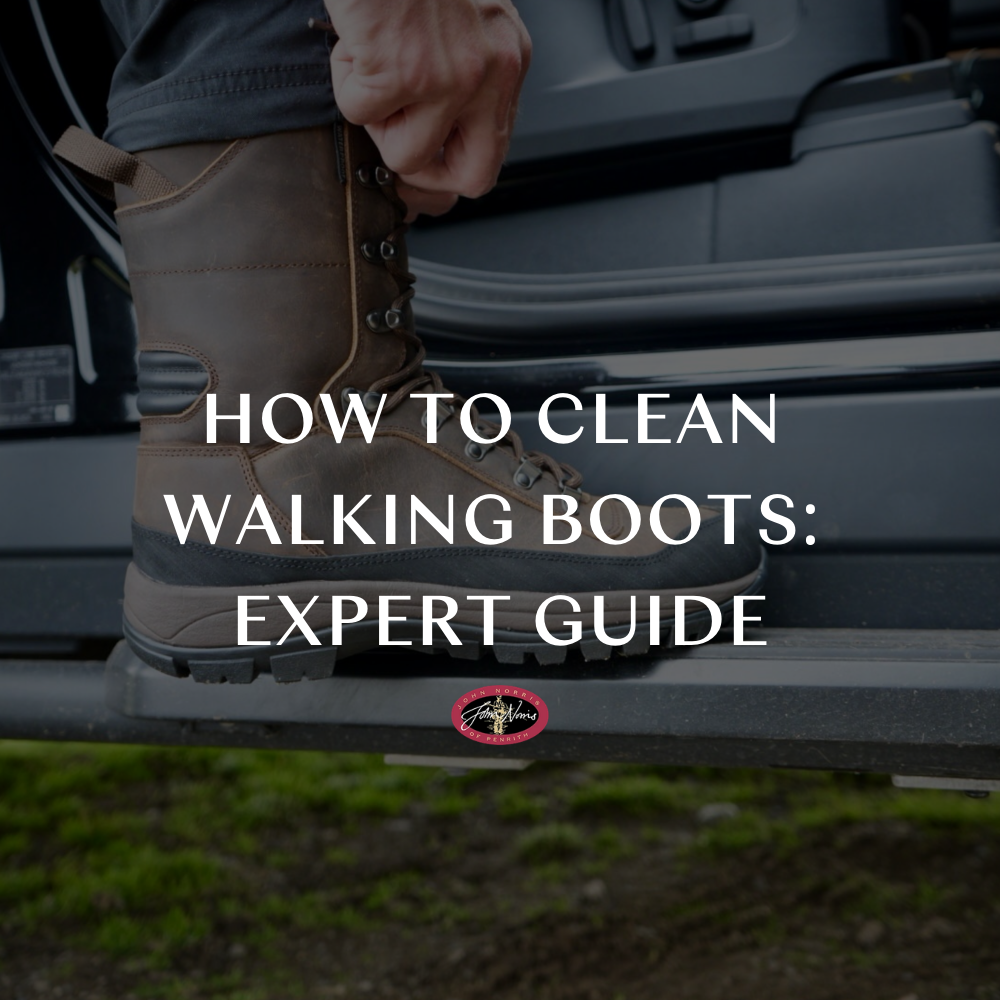
Knowing how to clean walking boots properly is one of the simplest ways to protect your investment. After miles of mud, rain, grit and rough terrain, your boots carry more than memories of the trail; they also hold dirt, moisture and debris that can quietly damage materials over time.
Left untreated, mud can dry out leather, weaken stitching, and reduce waterproof performance. At John Norris, we know that quality walking boots are built to last, but only with the right care. Whether you rely on everyday countryside footwear or specialist boots for tougher terrain, a regular cleaning routine keeps them comfortable, supportive, and ready for your next adventure.
In this guide, we’ll explain the best way to clean walking boots, how to tackle muddy boots after wet UK walks, and how to maintain waterproof protection season after season.

Why Cleaning Walking Boots Matters
Walking boots are designed for demanding terrain, but even the best walking boots need routine maintenance.
When mud dries on leather or fabric:
• It draws out natural oils, leading to cracking
• Moisture trapped in seams weakens stitching
• Grit in eyelets and laces causes friction damage
• Waterproof membranes lose effectiveness
Regular walking boot cleaning helps to:
• Maintain waterproof protection
• Prevent leather drying and cracking
• Reduce odours caused by trapped moisture
• Extend the life of soles and stitching
• Keep boots looking and performing their best
If you’ve invested in quality mens walking boots for hill days or supportive ladies walking boots for woodland trails, consistent care makes all the difference.
What You Need to Clean Walking Boots at Home
Cleaning walking boots doesn’t require lots of specialist equipment. Gather the following:
Soft brush or old toothbrush
• Lukewarm water
• Sponge or cloth
• Boot cleaner suitable for leather or fabric
• Newspaper or paper towels
• Conditioning treatment or waterproofing product
Avoid harsh detergents or household cleaners, as these strip protective coatings and damage materials, reducing the lifespan of your boots.
Step by Step: The Best Way to Clean Walking Boots
1. Remove Laces and Insoles
Start by removing laces and insoles. This gives you access to hidden mud around the tongue and eyelets.
• Soak laces in warm water and gently scrub
• Wipe insoles clean and leave to air dry separately
This simple step improves airflow and prevents lingering odours.
2. Brush Off Mud (Especially After Wet Walks)
If you're wondering how to clean muddy walking boots after a rainy day, start here! Let heavy mud dry slightly first to make removal easier. Then:
• Tap boots together outdoors to dislodge large clumps
• Use a soft brush to remove dried mud from uppers and soles
• Pay attention to seams and stitching
Brushing before washing prevents excess water from turning dirt into a paste.
3. Clean the Uppers Properly
The best way to clean walking boots depends on their material.
• Use lukewarm water and a sponge to wipe away remaining dirt
• Apply a specialist leather boot cleaner for stubborn marks
• Wipe away residue with clean water
Avoid soaking leather boots. Excess water weakens structure and affects waterproof linings.
Fabric or Synthetic Walking Boots
• Use a soft brush and diluted cleaner
• Focus on mesh panels and stitched areas
• Rinse lightly with a damp cloth
Never fully submerge fabric boots; controlled cleaning protects adhesives and membranes.

4. Clear and Clean the Soles
It’s time to turn your attention to the tread. Mud and stones often lodge in deep grooves, reducing grip and adding unnecessary weight. Use a firm brush or old toothbrush to remove debris thoroughly. Maintaining clean soles is crucial for preserving traction on future walks.
5. Dry Walking Boots the Right Way
Drying is just as important as cleaning walking boots.
Never:
• Place boots on a radiator
• Leave them near a fire
• Use direct heat
High temperatures cause leather to crack and adhesives to weaken.
Instead:
• Stuff boots with newspaper to absorb moisture
• Leave them in a well-ventilated room
• Replace damp paper if needed
Allow boots to dry naturally at room temperature, and remember having patience here protects long term durability.
Reproofing and Conditioning
Once completely dry, leather walking boots benefit from conditioning. Cleaning removes dirt, but it can also strip natural oils. Applying a suitable leather conditioner or waterproofing wax evenly across the upper helps restore suppleness and improve water resistance.
For fabric boots, use a spray-on reproofer to maintain waterproof performance. If you want your boots performing like the best walking boots on the market, regular reproofing is essential.
How Often Should You Clean Walking Boots?
How often you clean your boots depends on usage:
• Light countryside walks in dry weather: brush after use
• Regular muddy hikes: full clean after each trip
• Multi-day trips: clean thoroughly before storing
As a general rule, if boots are visibly dirty, damp or holding mud, it’s time for walking boot cleaning. Repeatedly allowing mud to dry without treatment gradually damages materials.
Storage Tips After Cleaning
Knowing how to clean walking boots properly is only half the job; how you store them matters just as much.
Once your boots are fully clean and completely dry:
• Store them in a cool, dry, well-ventilated space
• Avoid damp sheds, garages or leaving them in the car boot
• Loosen the laces to help maintain their natural shape
• Keep them upright and unsupported rather than crushed under other gear
If possible, use a boot tree or lightly stuff them with paper to help retain structure during extended periods of storage.
Proper storage prevents mould, reduces odours, and protects materials from premature breakdown. Taking a few extra minutes to store your walking boots correctly ensures they stay comfortable, supportive, and ready for your next outing.

Understanding how to clean walking boots properly protects comfort, grip, and durability for every mile ahead. A simple routine of brushing, gentle washing, careful drying, and regular reproofing keeps your boots dependable in changing UK conditions.
From everyday walking boots to high performance mens walking boots and supportive ladies walking boots, consistent care ensures they remain among the best walking boots for countryside paths, hills and long-distance routes.
If you’re looking for expert advice on walking boot cleaning products or investing in your next pair, visit John Norris in-store or online. With the right care, your boots will stay ready for every step of the journey.