Autumn Country Clothing: How to Choose a Fleece Gilet
- Autumn Clothing
By John Norris of Penrith
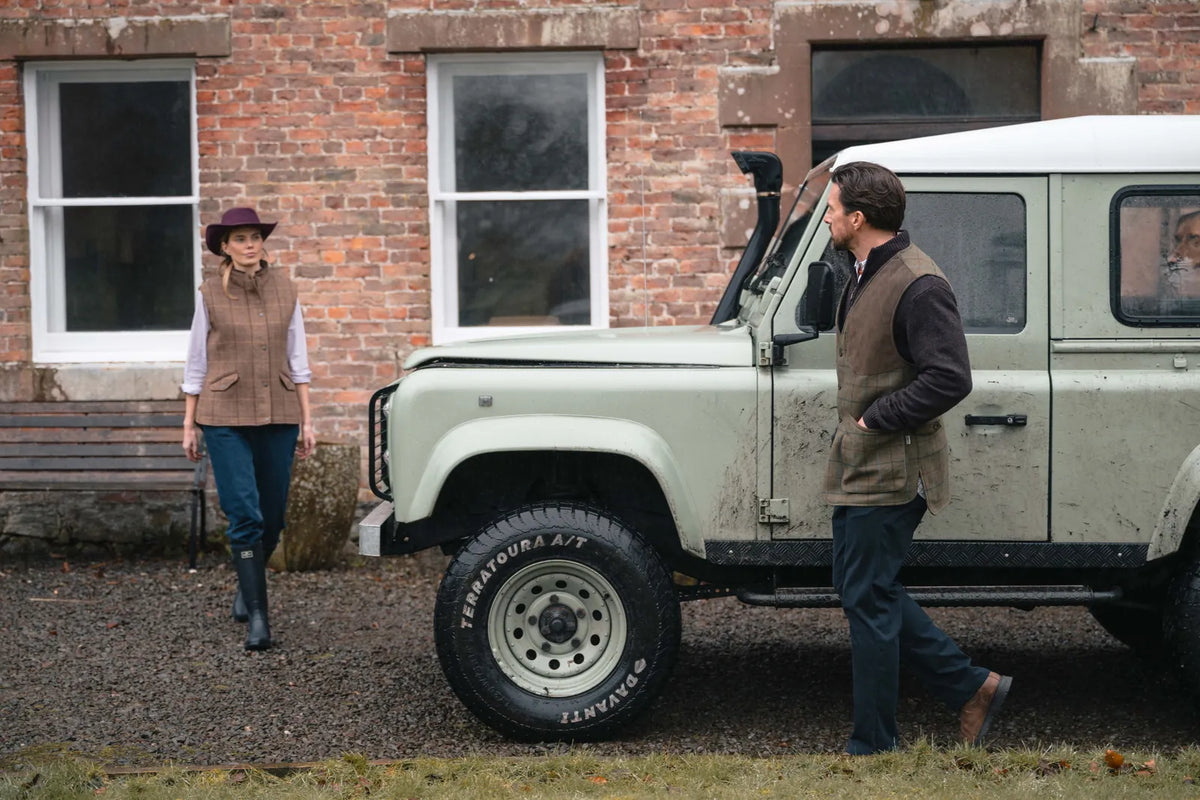
When autumn country clothing needs to cover a cool start, a milder afternoon and the possibility of a shower, the most useful piece is often a fleece gilet. It sits between shirt and coat without turning a practical outfit into a bulky one. Whether the day includes a dog walk, a trip into town, work around the yard or simply time outdoors, a gilet gives an extra layer where it is wanted while leaving the arms free.
The better choice depends on what will be worn beneath it, how much moving about the day involves and whether the gilet is likely to spend most of its time as the outer layer or beneath a jacket. The aim is not to build a special outfit for every forecast. It is to choose one versatile layer that earns its place from early September onwards.

Why autumn country clothing benefits from a gilet
Meteorological autumn starts on 1 September, yet September can still bring warm, settled days alongside cooler, wetter and more changeable conditions.[1] That is why a fleece gilet is particularly useful at this point in the year. It can be pulled on during a chilly first walk, left open while loading the car or doing jobs outdoors, then packed away when the temperature rises.
A jacket is sometimes the right answer, especially when steady rain or prolonged wind is expected. For ordinary variable days, though, a gilet adds warmth to the torso without limiting the reach needed for driving, carrying feed, opening gates or handling a lead. This is a useful distinction from a full walking system. For a longer route in exposed ground, our guide to autumn country walking layers considers the wider question of weather protection. A fleece gilet is the everyday option when the day is less committed but the temperature still calls for something over a shirt or knit.
Start with the layers underneath
The easiest way to judge a gilet is to try it over the shirt or knit you normally wear. A checked country shirt, brushed cotton shirt or light merino layer leaves enough room for the gilet to work without creating excess bulk at the shoulders. If the armholes feel tight at that stage, the gilet will only become more restrictive once a jacket goes on over it.
For early autumn, begin with a shirt that is comfortable against the skin and add a gilet when the air is cooler. A light knit can then be introduced as conditions change. This order matters because it keeps the adjustment simple. Removing a gilet is easier than having to take off a coat and rearrange every layer underneath it.
The Schoffel Oakham Fleece Gilet in Navy is a straightforward example of the classic country-gilet format. The Hoggs of Fife Woodhall Fleece Gilet in Navy provides another option when a practical fleece layer is the main requirement. Neither needs to be treated as a separate category of clothing. The point is how it works with the shirts, knits and outer layers already in the wardrobe.
Choose the right fit, length and freedom of movement
A gilet should feel settled across the shoulders rather than pulled tight between them. Lift both arms, sit down and reach forward as if fastening a gate or loading the boot. If it rides noticeably upwards or catches across the upper back, it is unlikely to be comfortable through a full day.
Length is worth considering as carefully as chest size. A shorter cut can work well for active use and driving, while a little more coverage at the lower back is welcome for slower jobs or standing around outside. The front zip should close cleanly over the intended layers, but there should not be so much extra room that cold air simply circulates around the torso.
It is sensible to think about the outer layer at the same time. A close-fitting gilet can be worn below a waterproof jacket without fighting the sleeves or collar. A roomier fleece gilet may be better as the top layer on a dry day, but becomes less convenient when rain starts. For advice on the occasions when a boot-and-waterproof combination makes more sense, see our guide to wet-weather clothing, wellington boots and waterproofs.

Match the gilet to the way you actually use it
A practical gilet for everyday country use should suit the rhythm of the day, not an imagined occasion. Someone who spends time outdoors before and after work may value easy layering and useful pockets. Someone travelling between the countryside and town may prefer a cleaner shape that still works over a shirt. The best decision comes from thinking about the regular use first, then choosing colour and detailing second.
For a women’s option with the same adaptable role, the Schoffel Ladies Lyndon Fleece Gilet in Navy is worth considering alongside the rest of an autumn wardrobe. The Jack Pyke Countryman Fleece Gilet in Charcoal offers a further choice where a neutral, straightforward fleece layer suits the rest of the clothing already in use.
The important point is not to over-specify a gilet. It does not replace a waterproof coat in persistent rain, and it is not necessarily the warmest piece in the wardrobe. Its value lies in making a shirt-and-knit outfit easier to adapt. When the weather closes in, add a suitable shell or waterproof over it. When the sun returns, take the gilet off and carry on without feeling overdressed.
This is also why it pays to consider the rest of the kit together. Practical footwear, trousers that allow a full stride and a layer that does not get in the way will make more difference than building an outfit around a single garment. Our long-standing guide to country wardrobe staples is another useful starting point when deciding which basics will see the most use.
Use colour and texture to keep the wardrobe useful
Navy, olive, charcoal and other muted shades tend to work well because they sit comfortably with checked shirts, denim, cord, moleskin and practical footwear. They also make it easier to use the same gilet across the week rather than reserving it for a particular activity. A restrained colour is not a rule, but it often gives a garment more mileage.
Texture deserves some thought too. A fleece gilet has a casual, familiar quality that works naturally over brushed cotton and knitwear. A quilted gilet can look neater when worn with a more structured shirt, though the same fit questions apply. In both cases, a collar should sit comfortably beneath the outer layer and a zip should be easy to operate with cold hands.
Avoid trying to match every item too closely. Country clothing is usually more convincing when it is built from useful, compatible pieces: a shirt that wears well, a knit that can be added when needed, a gilet for warmth and a weather layer for rain. This creates a wardrobe that can cope with a September morning, a shop visit, a short walk and an unexpected shower without needing a full change of clothes.
Care, storage and the change to wetter weather
A fleece gilet earns its place by being easy to reach for, so keep it clean and ready rather than leaving it compressed at the back of a cupboard. Follow the care label for washing and drying, particularly where a garment has trims, lined pockets or a contrasting collar. Before putting it away for any length of time, make sure it is fully dry and brush off mud or debris from the lower hem and pockets.
As autumn progresses, the gilet can still remain the centre of the outfit, but the outer layer becomes more important. A practical approach is to keep the fleece layer close enough to the body to fit beneath a waterproof, then choose boots, wellingtons or shoes according to the ground rather than the calendar. There is more on building warmth without unnecessary bulk in our winter layering guide, which can be useful once conditions turn colder.

Frequently asked questions about fleece gilets
Is a fleece gilet warm enough for autumn?
For a mild or active day, a fleece gilet over a suitable shirt or knit is often enough. Add a waterproof or insulated outer layer when rain, wind or lower temperatures make it necessary.
Should a fleece gilet fit tightly?
No. It should sit neatly across the shoulders and torso, with enough room for the layers you normally wear underneath. Check that you can reach, drive and sit comfortably before deciding.
Can a gilet be worn under a waterproof jacket?
Yes, provided the gilet is not so bulky that it restricts the jacket. Trying both layers together is the simplest way to check the combination.
What should I wear beneath a country gilet?
A shirt is the usual starting point in early autumn. A light knit can be added beneath the gilet when the day begins cooler, then removed if the temperature rises.
A dependable layer for early autumn
A fleece gilet is not a substitute for every coat in the wardrobe. It is the layer that makes the rest more flexible. Start with the shirts and knits already worn most often, choose a fit that allows movement and make sure the gilet can sit beneath a weather layer when required. That simple approach will take an autumn country wardrobe through changeable September days and well into the months ahead. Browse our waistcoats, gilets and vests collection for practical layers suited to time outdoors.
References
[1] Met Office, When does Autumn start?