Summer Evenings with Paul Procter
- Fly Fishing
By Paul Procter, John Norris Pro Guide
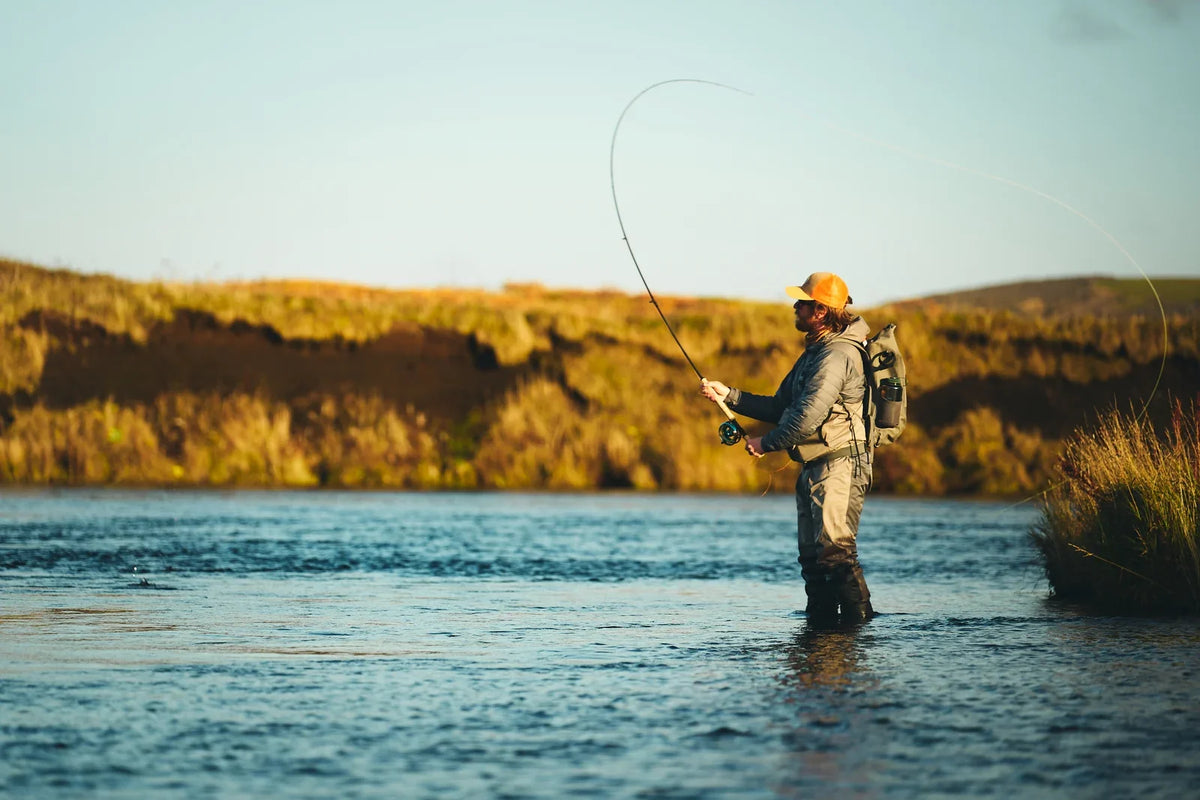
Unsettled weather and long spells of rain put the brakes on evening fishing last summer. However, with hot weather taking hold, this year is shaping up to be something to write home about. Here John Norris Pro Guide Paul Procter gives you an insight into how to tackle the fabled evening rise.
Those stinking hot days loved by holidaymakers might well put the kibosh on daytime fly hatches. But once the sun sinks towards the horizon, certain flies begin to stir. Whether you fish stillwaters or rivers, the cooler evenings of hot summer days provide fly fishers with plenty of dry-fly opportunities.
Stillwaters after dark
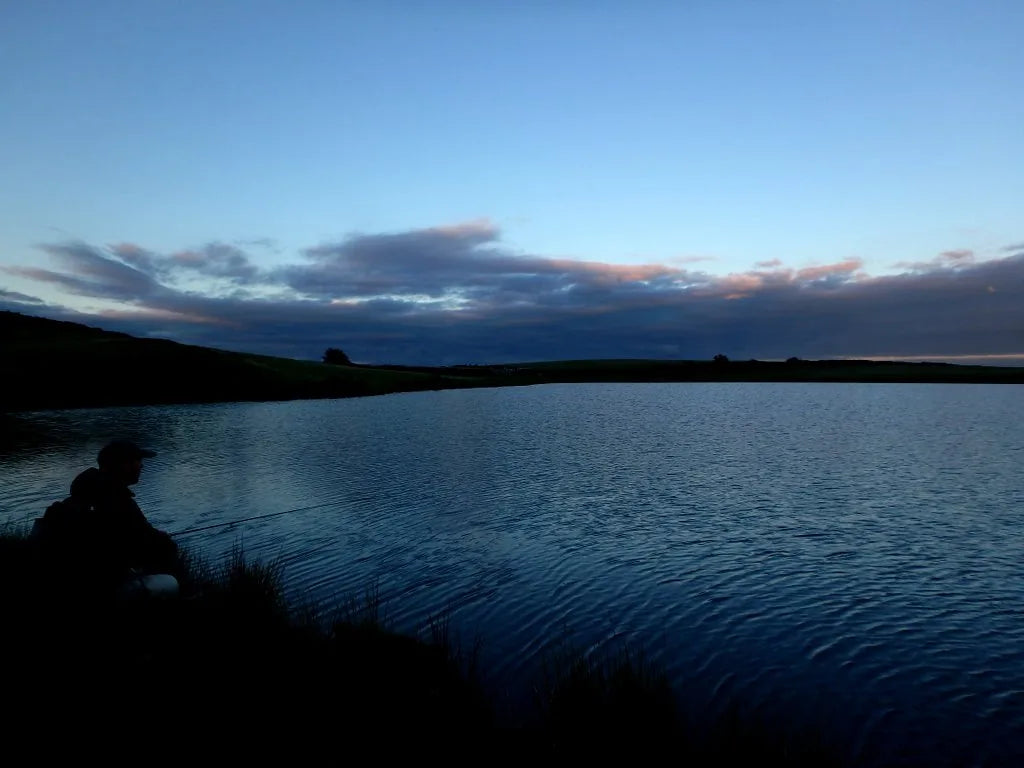
When it comes to reservoirs, lakes or tarns, caddis flies, or sedges if you prefer, will often become active as the light fades. Personally, I don’t get too hung up on identifying individual species and instead try to match the size of caddis I see. Caddis are notorious for keeping us waiting, as often the action doesn’t kick off until after 10pm and on a good evening can stretch well beyond midnight. With that, don’t be in any rush to leave early. This is a common mistake, as many times I’m just arriving when disgruntled anglers are leaving and muttering the words, ‘you’re wasting your time, as nowt’s happening’.
Remember too, trout become a little braver in the gathering gloom, so long leaders aren’t a necessity. A tapered leader of some 9–12ft will more than suffice, especially where any light breeze occurs. Hopefully, though, the wind will have died back and you’ll be blessed with a flat calm, which helps when it comes to tracking rising trout in bad light.
A single fly is the safest bet on stillwaters now, as the last thing you want is a team of three flies tangling themselves. Talking of which, it sounds extravagant, but carrying an extra outfit gives you the edge if an unwanted tangle does occur. Rather than waste valuable time trying to unpick an unruly knot, or even begin tying up a new leader, you can simply reel in and pick up the spare outfit within seconds.
If one exists, look for a crosswind, as this maintains tension in your fly line that, in turn, helps detect takes. Which brings us to fishing your caddis. Usually, we’d present our dry fly static, but in near darkness, trying to determine when a trout has actually taken your fly is like selecting next week’s winning lottery numbers. Instead, we can impart movement to our fly, which does two things. Firstly, the disturbance of a floating fly helps to attract trout and secondly, because the fly is moving, takes are felt rather than seen.

Having cast out, for me, I introduce one- or two-foot-long pulls on the line to straighten everything out and put me in touch with my fly. Be mindful to maintain a low rod too, as this eliminates any slack line that might prevent us from feeling those subtle takes. After those initial pulls, I’ll impart a short figure-of-eight retrieve, followed by resting the fly for only a second or so. Then I’ll repeat the cycle once more by starting with a couple of gentle foot-long draws, and so on. It’s kind of like the surface version of the ‘sink and draw’ method that is unsurpassed at seducing fish.
As for flies, it really doesn’t get any simpler. Either an elk hair caddis, or a G&H deer hair sedge, is all you’ll need in sizes 10 down to 16. Come a breezy evening, the size 10 might be larger than naturals, but the extra commotion this causes can make for memorable sport as the curtain comes down. With regard to colour, again don’t overthink it, as colour becomes far less important as the shadows grow long. I’m happiest with an olive, green or dark amber version.
Naturally, we’ll be on the lookout for rising trout, but this becomes tricky as the curtain comes down. If possible, try to position yourself facing west, as you’ll benefit from the last rays of sunlight. Also, crouching or kneeling can help you determine the rings of rising trout, though I appreciate we’re not all spring chickens any more.
River fishing in the evening
For those venturing onto running water, blue-winged olives, or B-WOs, are what get the trout most excited on summer evenings. Given a prolonged or settled spell of weather, we can fully expect night after night of surface sport. You see, not only are we treated to hatching B-WOs, returning spinners give us a second sitting, usually right on dark.
It’s worth arriving mid-evening, as B-WOs can begin emerging well before dusk. Usually, I’d recommend longer leaders for dry-fly fishing on rivers as these improve presentation in the form of longer, drag-free drifts. However, the fading light makes it challenging for us to locate our fly. A leader with an overall length of some 12–14ft gives you the best of both worlds. It’s of sufficient length to fall slack and allow our fly freedom of movement, but not overly long that we can’t determine our fly’s whereabouts in relation to the end of the fly line.
Where emerging B-WOs are concerned, a couple of patterns have served me well. A size 16 olive Klinkhamer takes some beating, especially one with a conspicuous white or yellow wing post, as it stands out in fading light. The other is a CDC shuttlecock-style emerger, or my Cul de Canon. Guideline Antonio’s Emerger BWO fly is another option to consider.

Mind, both use natural CDC, which isn’t always easy to see in the shadows. That said, if you find a section of westerly-facing river, the dark wings of these flies stand out surprisingly well.
As we’re relying on sight to determine takes, I strive to get as close to feeding fish as possible, which in many instances is a mere 20 feet away. This might sound alarmingly close to the uninitiated, but remember trout are that bit more tolerant under the cover of darkness. The idea is that it’s easier for you to track your fly, and the less fly line you have exposed to surface currents, the odds are reduced of your fly dragging and therefore being snubbed by trout.
As the evening wears on, keep an eye on riparian trees. It’s here you’ll see the first B-WO spinners gathering as they dance and search for a mate. Naturally, calm evenings see the greatest density of spinners, simply because the naturals gather in thick clouds where the breeze falls light. That said, sheltered corners of a stream will see localised spinner falls in blustery weather. So don’t assume spinners won’t be active if a nagging breeze persists.
B-WO spinner-feeding trout can be notoriously difficult to come to terms with. Firstly, they know that spent spinners at the surface aren’t about to disappear in a blur of wings, so trout often eat them with little fuss. Such delicate rise forms can therefore go unnoticed, especially in the evening light. Obviously, it can be equally difficult to determine when a spinner feeder has latched onto your fly. Again, look to spinner patterns with more conspicuous wings, such as the Procter Hi-Vis Cranked Spinner Barbless fly.

Useful kit for evening fishing
Large-rim landing net
Whether you’re using a long-handled net to reach over the rushes surrounding a lake edge, or a short-handle version in the confines of a stream, be sure to wield a net with a large rim as it’s easier to scoop up headstrong trout in poor light. See our fishing nets.
Head torch
An obvious one really, but you’d be surprised how many anglers venture out without some kind of head torch. These are invaluable for changing flies, unhooking trout or negotiating tricky parts of a stream.
Wading staff
Perhaps more for river fly fishers than those wandering around lakes or reservoirs, a wading staff will pay for itself time and again if you fish in the evenings. Collapsible models are best, as they can easily be folded and stowed away when not required. Browse our wading staffs.
Tapered leaders
A tapered leader helps control turnover when using a single dry fly. For my money, you won’t go far wrong with a Guideline Pro Strike 9ft 5X taper. It’s of sufficient length to knot on a fly. However, if you require a slightly longer leader then a tippet section can also be added. Find leaders, tippets and braids here.
Spare rod
As previously mentioned, this sounds like a luxury, but you’ll be thankful for a spare rod armed with your favourite fly if a tangle happens in your main outfit at the height of an evening rise. This back-up rod needn’t cost the earth either, as nowadays plenty of companies are offering fully made-up outfits at a reasonable cost, like the Guideline Embrace for example. Explore fly kits.
Threader fly box
These ingenious fly boxes allow you to load your favourite patterns onto wire threaders, which makes changing fly both quick and easy even on the darkest of nights.