How to Prepare Pheasant for Cooking
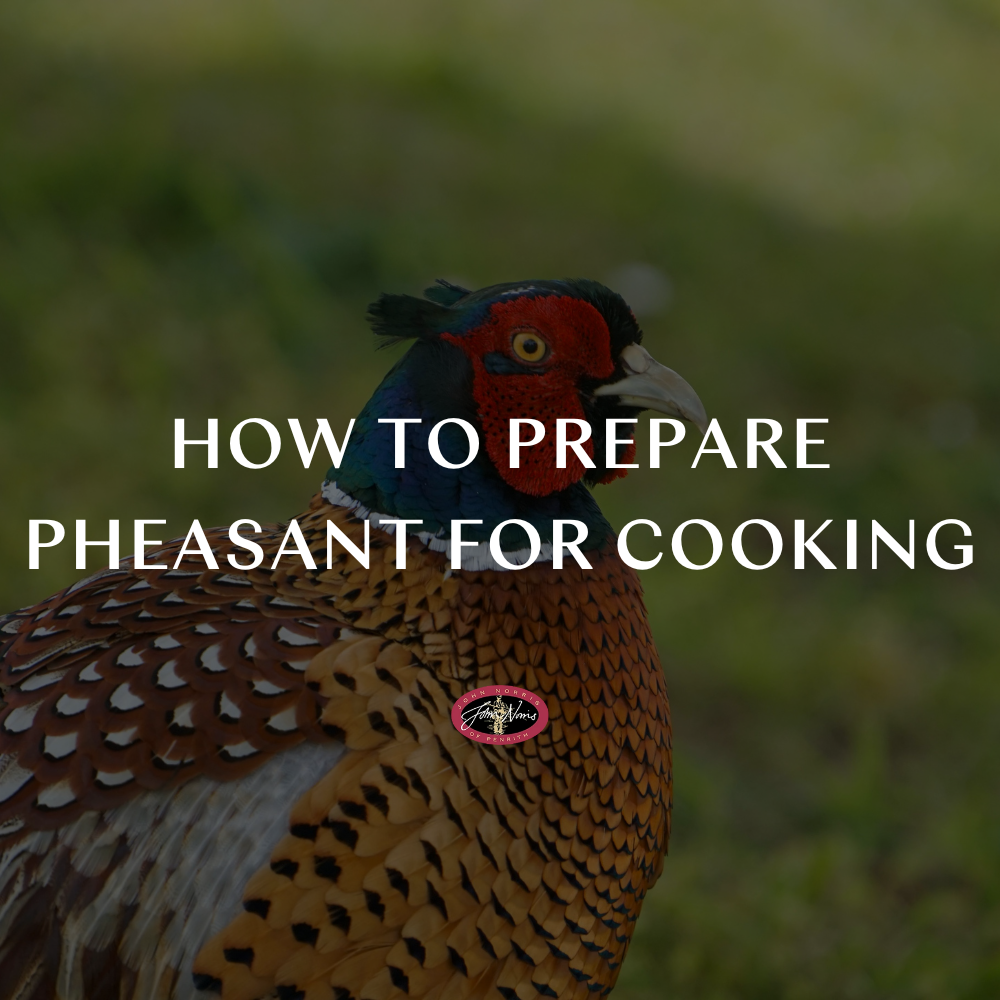
How to prepare pheasant for cooking is a skill rooted in countryside tradition and one that brings real reward to the table. Pheasant is lean, full of flavour and deeply tied to the British shooting season. When handled with care, it offers a memorable meal that reflects the landscape it came from.
At John Norris, knowledge of game sits alongside a long heritage of field sports in the Lake District. This guide follows that same grounded approach, covering everything you need to know about how to prepare a pheasant for cooking, from the day it is shot to the moment it reaches the oven or pan.
Understanding pheasant as a game bird
Before learning how to prepare pheasant for cooking, it helps to understand the bird itself. Pheasant is naturally low in fat, which gives it a clean taste but also means preparation matters. Care at each stage helps retain moisture and bring out its depth.
Freshly shot pheasant is best treated with patience rather than haste. Time spent hanging and preparing the bird is not wasted. It directly affects tenderness and flavour.
Seasonality and sourcing pheasant
Understanding where pheasant comes from is part of learning how to prepare pheasant for cooking properly. Pheasant is a seasonal game bird, with the UK shooting season running from 1st October to 1st February. During this time, fresh wild pheasant offers the best flavour and texture.
The most reliable sources are local shoots, rural butchers, and specialist game dealers, where birds are usually handled, hung, and prepared correctly. Buying in season supports responsible countryside management and ensures the bird has been treated with care from field to kitchen.
Outside the season, pheasant is often available frozen. While this is a practical option, fresh in-season pheasant remains the preferred choice for those seeking the finest results.

How long to hang a pheasant
Hanging pheasant allows the meat to mature, improving tenderness and flavour. Young birds can be cooked straight away without hanging, as the meat is already tender.
For older pheasant, hanging time depends on temperature and taste. In cool conditions of 2–8°C, most people hang a bird for 2–3 days. Those who prefer a stronger game flavour may hang it longer, but beginners should keep it to no more than five days.
Hang the pheasant by the neck in a cool, airy place away from flies and direct sunlight, such as a garage or game larder. The bird should smell rich and earthy, never unpleasant.
How to pluck a pheasant
Learning how to pluck a pheasant is a key part of how to prepare pheasant for cooking. Plucking keeps the skin intact, which helps protect the meat during cooking and adds flavour.
Pluck the bird while it is dry and cool. Start with the breast, pulling feathers firmly against the direction they grow. Work slowly to avoid tearing the skin. The wings and tail feathers take more effort and patience.
Some people wax pheasant to remove fine down, though careful singeing over a gas flame also works. This step leaves the skin clean and ready for drawing.
Drawing the pheasant
Once plucked, the bird must be drawn to remove the internal organs and prepare it for cooking or storage.
Lay the pheasant on its back and remove the head and windpipe. Make a small incision just below the breastbone, then carefully reach inside and ease out the contents in one steady motion where possible. Take care not to puncture the gall bladder, as this can taint the meat.
Finally, wash the bird thoroughly inside and out, then pat dry before cooking or storing.
How to prepare a pheasant for cooking at home
At this stage, preparing pheasant for cooking becomes a matter of choice. Some cooks prefer to roast the bird whole, while others joint it for slower methods.
For roasting, truss the pheasant neatly and consider barding the breast with streaky bacon or butter to protect it. This helps keep the meat moist during cooking.
For casseroles and pies, joint the bird into legs, breasts, and wings. The legs suit slower cooking, while the breasts benefit from quick methods. Knowing how to prepare pheasant in different ways opens up a wide range of meals across the season.
How to cook pheasant without drying it out
Many people searching for how to cook pheasant worry about dryness. This is where good preparation makes the difference.
Resting the bird at room temperature before cooking helps. Using fat, either through bacon, butter or oil, adds protection. Cooking time also matters. Pheasant does not need long in the oven.
A whole pheasant often roasts well at 190 degrees Celsius for around 35 to 45 minutes, depending on size. Always rest the bird after cooking to allow juices to settle.

Pheasant shooting clothing and preparation in the field
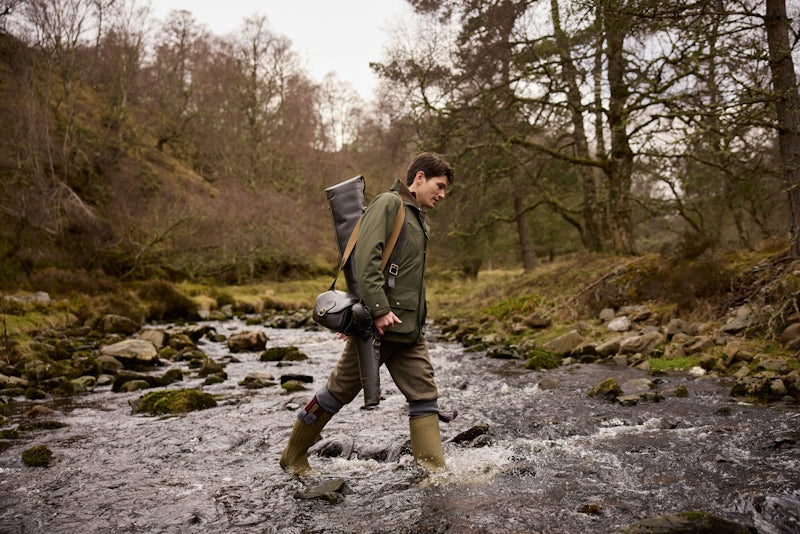
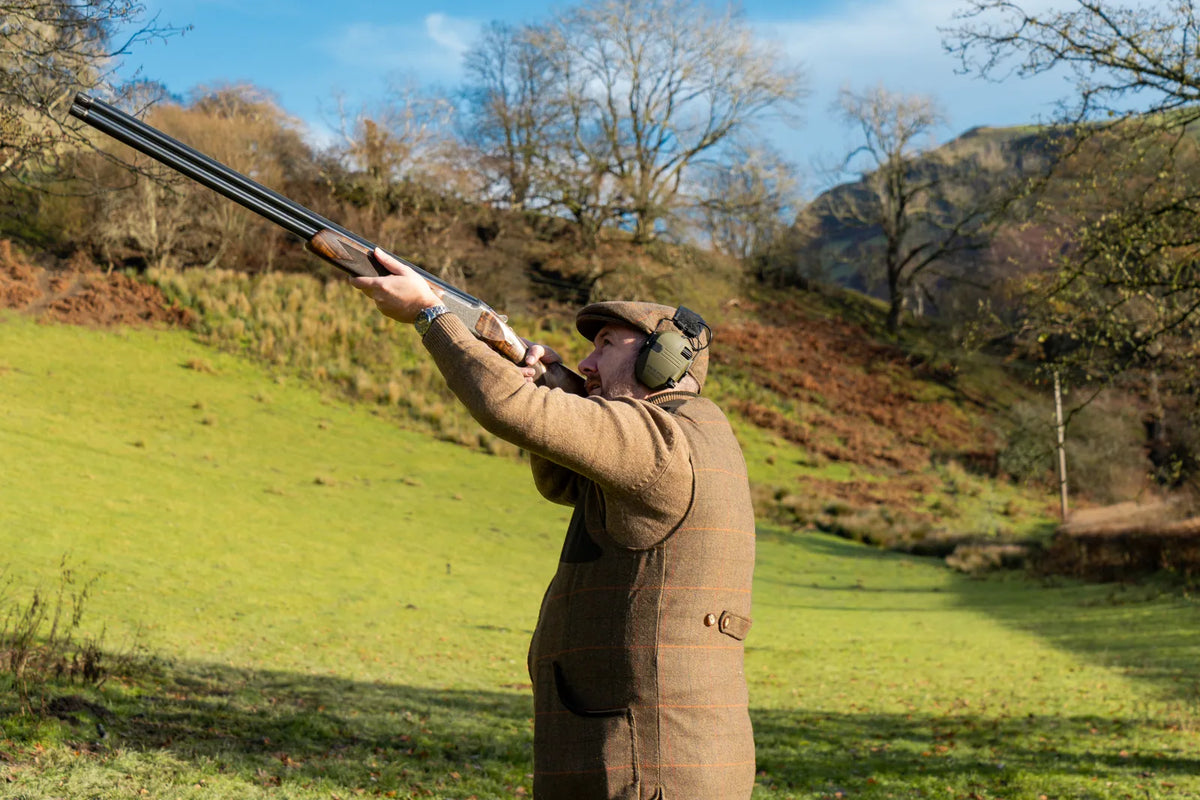
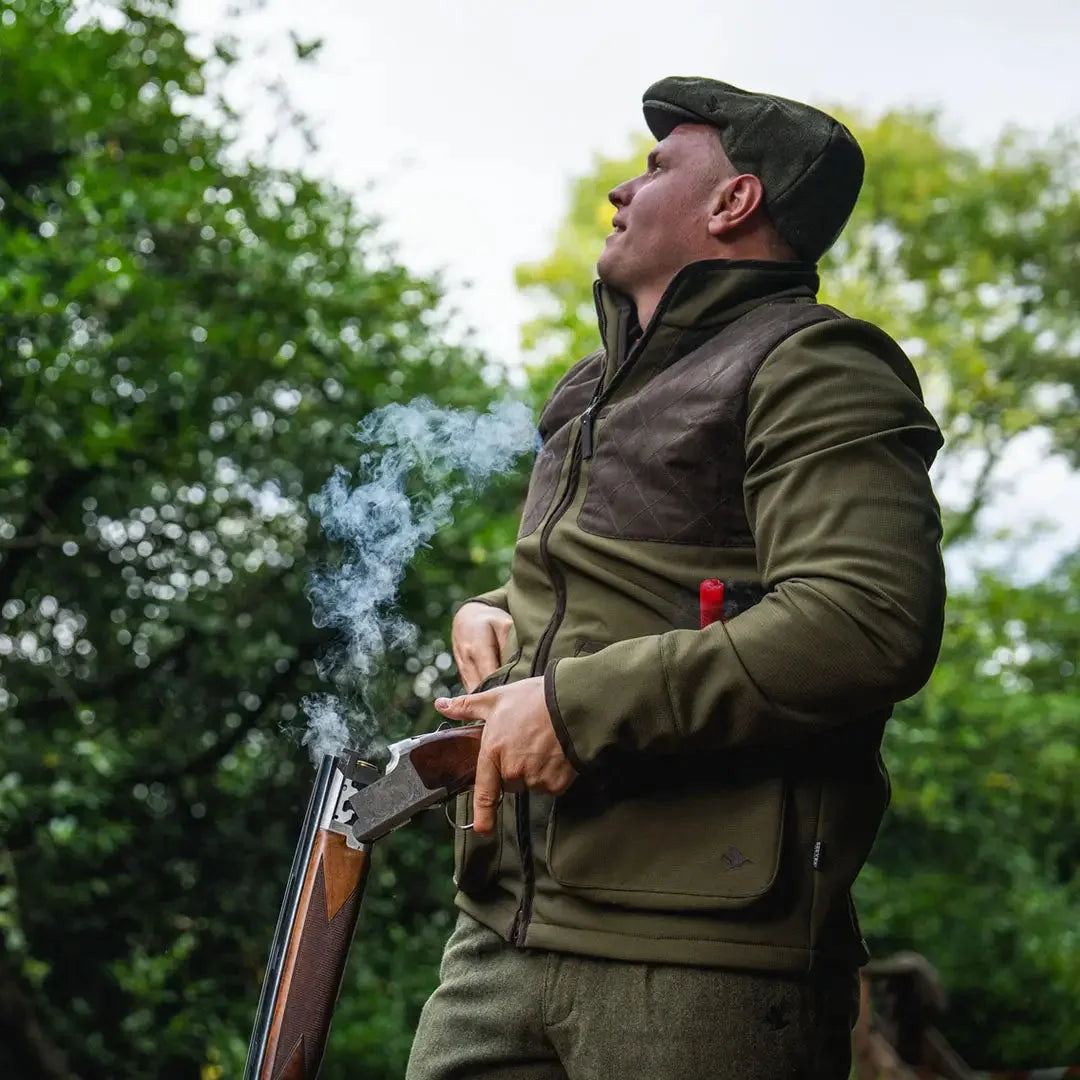
Good preparation starts well before the bird reaches the kitchen, and the right pheasant shooting clothing plays a practical role in that process. Well-chosen garments are designed not only for comfort and protection in the field, but also to help carry and care for game correctly once it has been retrieved.
Breathable layers, properly designed game pockets or bags, and an understanding of pheasant shooting clothing etiquette all help protect the carcass. Avoid placing the bird in tight or unventilated spaces where it may be crushed or overheated. Allowing air to circulate reduces heat build-up, helping to preserve meat quality from field to larder.
This considered approach reflects a wider countryside tradition, where respect for the bird, appropriate shooting clothing and careful handling are valued just as highly as skill at the table.
Storage before cooking
If you aren’t cooking the pheasant straight away, store it in the fridge once drawn. Keep it covered but not sealed tightly, and remember to use it within 2 to 3 days for best results.
While freezing is possible, fresh pheasant offers better texture. If freezing, wrap the bird well to prevent freezer burn.
Preparing pheasant for cooking is as much about care and patience as it is about the finished dish. Taking time to hang the bird correctly, learning how to pluck a pheasant with confidence, and choosing the right cooking method all play their part in bringing out the best in this classic game bird. For those who value traditional field sports and the connection between countryside and kitchen, pheasant remains one of the most rewarding meals of the season.
To support every stage of the shooting year, from days in the field to evenings at home, explore the full range of country clothing and equipment at John Norris online, or visit the store in Penrith, where experienced staff are always on hand to share practical knowledge rooted in generations of country life.