How to Choose Your First Fly Fishing Rod: A Beginner’s Guide
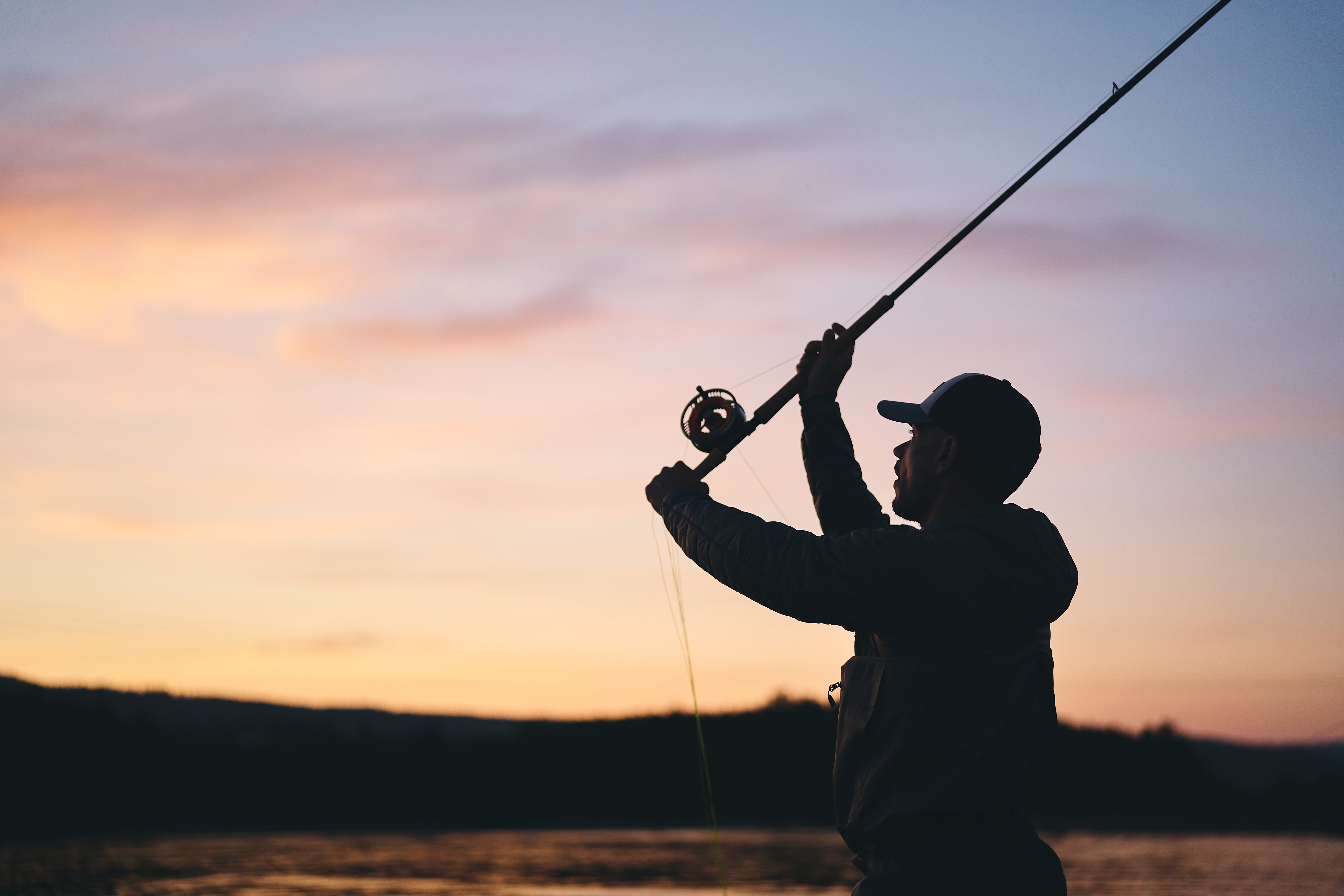
If there is one bit of advice we hand out daily over the counter here in Penrith, it is this. Do not overcomplicate your first fly rod.
When you are standing on the banks of the River Eden or staring at a local stillwater, wondering how to choose a fly fishing rod in the UK, it is ridiculously easy to get bogged down. The jargon alone is enough to put anyone off. Action. Flex. Weight. Length. AFTM ratings. It feels like you need a degree in physics before you have even tied on a fly.
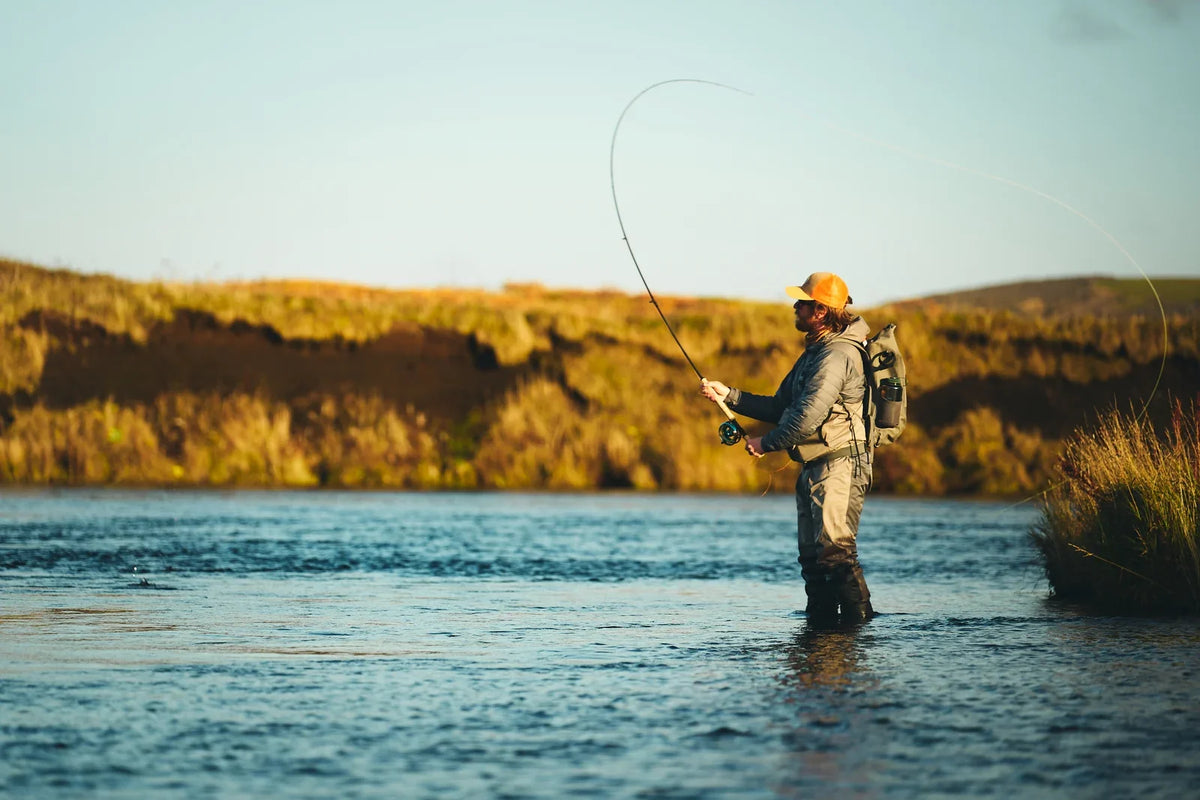
But honestly? It really does not have to be that way. Whether you fancy targeting wild brown trout on a chalk stream or stocked rainbows on a local reservoir, your first fly rod just needs to do two simple things. Forgive your casting mistakes. And help you actually feel the line loading.
In this guide, we are going to cut through the nonsense. We will explain the terminology in plain English and share our top recommendations for beginners. Everything from complete, ready-to-go starter kits to proper premium upgrades.
Understanding Fly Rod Jargon
Before you start scrolling through our collection of fly fishing rods, it helps to understand the three main specifications printed on every rod tube. Length, weight (or line rating), and action.
1. Rod Length
For the vast majority of UK trout fishing, a 9-foot rod is the absolute gold standard. It gives you the perfect balance of line control, casting distance, and manoeuvrability. If you are fishing tiny, overgrown becks in the Yorkshire Dales, you might want to drop down to an 8ft 6in or even an 8ft rod just to avoid hooking every tree branch in sight. Boat fishing on large reservoirs like Rutland or Grafham? A 9ft 6in or 10ft rod gives you that bit of extra reach and helps keep your flies clear of the water on the backcast. But for a true all-rounder, and especially for your first setup, stick to 9 feet.
2. Line Weight (AFTM Rating)
Unlike coarse fishing where the weight of your bait pulls the line, in fly fishing, the weight of the line carries the near-weightless fly. Rods are rated to cast specific line weights, usually from #2 (incredibly light) right up to #10+ (heavy predator and salmon gear).
For a beginner targeting trout in the UK, a #5 weight (often written as 5wt or '5 Line') is universally considered the best starting point. It is delicate enough for dry fly fishing on rivers but has enough backbone to chuck small nymphs and wet flies. If you plan to fish larger stillwaters or particularly windy reservoirs, a #6 weight provides a bit more punching power. Though frankly, a 5 weight will handle almost every situation you will encounter in your first season.
3. Rod Action
Action simply refers to how much the rod bends when you cast and how quickly it returns to straight (we call this 'recovery'). Here is the quick version:
Action : Fast
What it means : Bends mostly at the tip. Very quick recovery.
Best for : Experienced casters. Cutting through wind. Hitting distance.
Action : Medium Fast
What it means : Bends in the top third. Good feel and feedback.
Best for : Beginners and improvers. The absolute sweet spot.
Action : Medium Slow
What it means : Bends right down into the middle or butt section.
Best for : Very short range. Delicate presentations. Small streams.
For your first rod, we always recommend a medium-fast action. It gives you enough feel to learn the timing of your cast while still offering decent distance when you need to reach a rising fish.

The Best Fly Fishing Rods for Beginners
At John Norris, we stock everything from entry-level kits to top-tier rods from brands like Guideline, Sage, and Hardy. Here are our top picks for anyone just starting out.
The Best Complete Starter Kit: Guideline Embrace Fly Rod Kit
If you want to bypass the headache of matching rods, reels, and lines, we cannot recommend the Guideline Embrace Fly Rod Kit 9ft 5 Line Light Trout highly enough. At £299.99, it represents exceptional value and gives you literally everything you need to get on the water straight away.
The kit includes a forgiving medium-fast action rod built on a 26/30T carbon blank, paired with a properly reliable NOVA 46 fly reel. Crucially, it comes pre-spooled with backing and a Power Boost WF #5 floating line that is specifically tapered to help beginners load the rod easily. It even includes a leader and a protective Cordura tube. We have sold hundreds of these kits from our shop, and the feedback from first-timers is consistently brilliant.
If you are planning to fish larger, windier waters, think Ullswater or the big Scottish lochs, the 9ft 6 Line version of the same kit offers a bit more backbone and features a small fighting butt for handling bigger fish. Same price, same quality, just a touch more power.
The Premium Upgrade: Sage Arrow
If you have a larger budget and want a rod you will not outgrow for years, the Sage Arrow Single Handed Fly Rod (£750.00) is a phenomenal piece of craftsmanship. Handcrafted in the USA using Sage's KonneticHD technology, it is designed as a multi-application rod that excels in a variety of conditions.
Available in a classic 9ft #5 weight configuration (as well as #4 and #6 options), it is a fast-action rod, but one that retains enough 'feel' for an improving caster to understand what the line is actually doing. The Sage Arrow is the kind of rod you buy once and keep for a decade. It is finished beautifully with a flint-coloured blank and a walnut reel seat insert. The sort of thing that makes you want to go fishing, even on a miserable Tuesday morning.
The Specialist Option: Guideline LPX Nymph
While we generally advise beginners to start with a standard 9ft #5 rod, if you are specifically looking to learn Euro nymphing techniques (fishing heavy nymphs on a tight line without a traditional fly line), you need a specialist tool. The Guideline LPX Nymph Single Handed Fly Rod (currently on sale at £348.95, down from £389.99) is incredibly light at just 78g for the 10ft 8in model. It features a highly sensitive tip to detect subtle takes, while maintaining enough power in the butt section to control large fish on fine tippets.
Quick Comparison
Guideline Embrace 9ft #5 - £299.99
Best For : Complete beginners
Action : Medium-fast
Includes Kit : Yes - Rod, Reel, Line, Leader
Sage Arrow 9ft #5 - £750.00
Best For : Improvers and long-term investment
Action : Fast
Includes Kit : Rod only
Guieline LPX Nymph 10ft 8in #2 - £348.95 (Sale)
Best For : Euro nymphing specialists
Action : Medium-fast (sensitive tip)
Includes Kit : Rod only
Don't Forget the Essentials
A rod is only ever as good as the line you put on it. If you are buying a rod and reel separately rather than opting for a kit, make absolutely sure you invest in a quality weight-forward floating line. It makes a bigger difference to your casting than the rod itself, particularly when you are learning. You can browse our full range of fly lines here, including excellent beginner-friendly options from Airflo, Rio, and our own John Norris brand (currently half price at £29.99).
You will also want a decent pair of waders if you are planning to fish rivers. Our waders and boots collection covers everything from budget-friendly breathable waders to premium Simms models. And please do not forget polarised sunglasses. They are not a fashion statement on the river. They are essential for spotting fish, reading the water, and protecting your eyes from stray flies.
Frequently Asked Questions
Q: What is the best length fly rod for a beginner?
A: A 9-foot rod is universally considered the best length for a beginner in the UK. It offers the best compromise between casting distance, line control, and ease of use on both rivers and stillwaters. Only drop shorter if you are fishing very small, overgrown streams.
Q: Should a beginner use a 5 weight or 6 weight fly rod?
A: A 5 weight (#5) is the ideal all-rounder for UK trout fishing, particularly on rivers and smaller stillwaters. If you plan to fish primarily on large, wind-swept reservoirs, a 6 weight (#6) will make casting easier in breezy conditions. When in doubt, go with a 5 weight. You can always step up later.
Q: Do I need an expensive fly rod to start?
A: Absolutely not. While premium rods offer lighter weights and advanced materials, modern entry-level kits like the Guideline Embrace offer incredible performance that will serve you well for years. It is much better to spend your budget on a complete, well-balanced kit than to buy an expensive rod and pair it with a cheap, poorly matched fly line.
Q: What is the difference between a fly rod kit and buying separately?
A: A kit includes a matched rod, reel, fly line, backing, and usually a leader. Literally everything you need to start casting. Buying separately gives you more choice, but you need to ensure the reel, line, and rod are all perfectly balanced. For beginners, a kit removes the guesswork entirely.
Ready to Cast?
Choosing your first fly fishing rod is an exciting milestone. And honestly, there has never been a better time to start. The quality of entry-level gear today would have been completely unthinkable twenty years ago.
We always recommend starting with a balanced, ready-to-fish kit to take the guesswork out of your first setup. If you are still unsure which rod is right for you, our expert team in Penrith is always on hand to help. Give us a call on 01768 864211, or pop into the store to test a few rods out. In the meantime, explore our full range of fly fishing rods and get ready for the season ahead.