The Ultimate Guide for Layering Clothes for Winter
Layering clothes for winter is one of the most effective ways to stay warm, dry, and comfortable through the colder months, particularly in the UK where conditions can change quickly throughout the day. Whether you’re moving between crisp outdoor air and heated indoor spaces, heading out for a countryside walk, or spending long hours outside, layering offers flexibility, insulation, and breathability without unnecessary bulk.
At John Norris, we understand that the right clothing makes all the difference. Well-chosen layers work together to regulate body temperature, manage moisture, and protect against the elements. Below, we explain how to layer clothes correctly, what each layer does, and how to choose the best base layer clothing for real winter conditions in the UK.
Why Layering Clothes for Winter Matters
Layering clothes for winter works by trapping warm air between layers of clothes while allowing moisture to escape. Instead of relying on one heavy item, layered clothing lets you adjust throughout the day; remove a layer when active, add one back when temperatures drop.
This approach keeps body temperature steady and avoids the chill that comes when sweat cools against the skin. It also helps clothing work harder for longer walks, commutes, outdoor jobs, and everyday winter life.

Understanding The Three Layers of Clothes
When learning how to layer clothes, it helps to think in three simple layers. Each one has a clear role:
1) Base Layer Clothing
Base layer clothing is worn next to the skin and is essential for keeping your body comfortable by managing moisture. A good base layer draws sweat away from the skin, helping you stay dry and warm. It should fit close to the body without feeling tight, trapping heat while allowing moisture to escape. Popular options include long-sleeve tops, leggings, and thermal sets.
Men’s base layers are often designed with durability and warmth in mind for outdoor work or sport, while women’s styles are shaped for a more comfortable, tailored fit with the same performance benefits.
2) Mid Layer Clothing
Mid layer clothing is all about insulation and warmth. This is the layer that traps heat close to the body, helping you stay comfortable in cold conditions. Popular mid layer options include fleeces, knitted jumpers, and insulated gilets.
The key is balancing warmth with breathability; thicker isn’t always better. Layering a couple of lighter mid layers often provides more effective insulation than one bulky piece, while also making it easier to regulate your temperature throughout the day. In colder weather, two mid layers can be worn together, whereas on milder winter days, a single well-chosen layer is usually enough.
3) Outer Layer
The outer layer is what shields you from the elements, protecting against wind, rain, and biting cold air while holding your entire outfit together. A well-designed outer layer blocks draughts and bad weather, yet remains breathable so moisture from inner layers can escape.
This might be a waterproof coat, an insulated jacket, or a lightweight weather-resistant shell, depending on the conditions. When layering for winter in the UK, the outer layer is especially important, as it often needs to cope with wet, unpredictable weather as much as low temperatures.

Choosing The Best Material
Selecting the right material makes a significant difference to comfort and performance, especially if you spend time outdoors in winter. Each fabric has its strengths, depending on how active you are and how long you’ll be wearing it.
• Moisture-wicking materials are essential
If you walk, work, or travel outdoors, your base layer should move sweat away from the skin to keep you dry and warm.
• Wool base layers for warmth and comfort
Wool is ideal for colder conditions and lower activity levels. It insulates even when damp, helps regulate body temperature, and prevents overheating. Merino wool is particularly popular thanks to its softness and natural odour resistance, making it comfortable for all-day wear.
• Synthetic base layers for active days
Synthetic materials dry quickly and are well suited to high-intensity activity where you’re likely to sweat more. They’re lightweight, breathable, and easy to layer.
• Avoid cotton
Cotton absorbs and holds moisture, which can quickly make you feel cold and uncomfortable and lead to rapid heat loss. Many people keep both wool and synthetic base layers, switching between them depending on the weather and their plans.
How To Layer Clothes for Different Winter Activities
Everyday Winter Wear
For daily routines, layering clothes for winter does not need to be complicated. A base layer top, a knit mid layer, and a weather ready coat works well. Add base layer leggings under trousers on colder days. This setup keeps warmth steady indoors and outdoors without overheating.
Outdoor Walks and Countryside Time
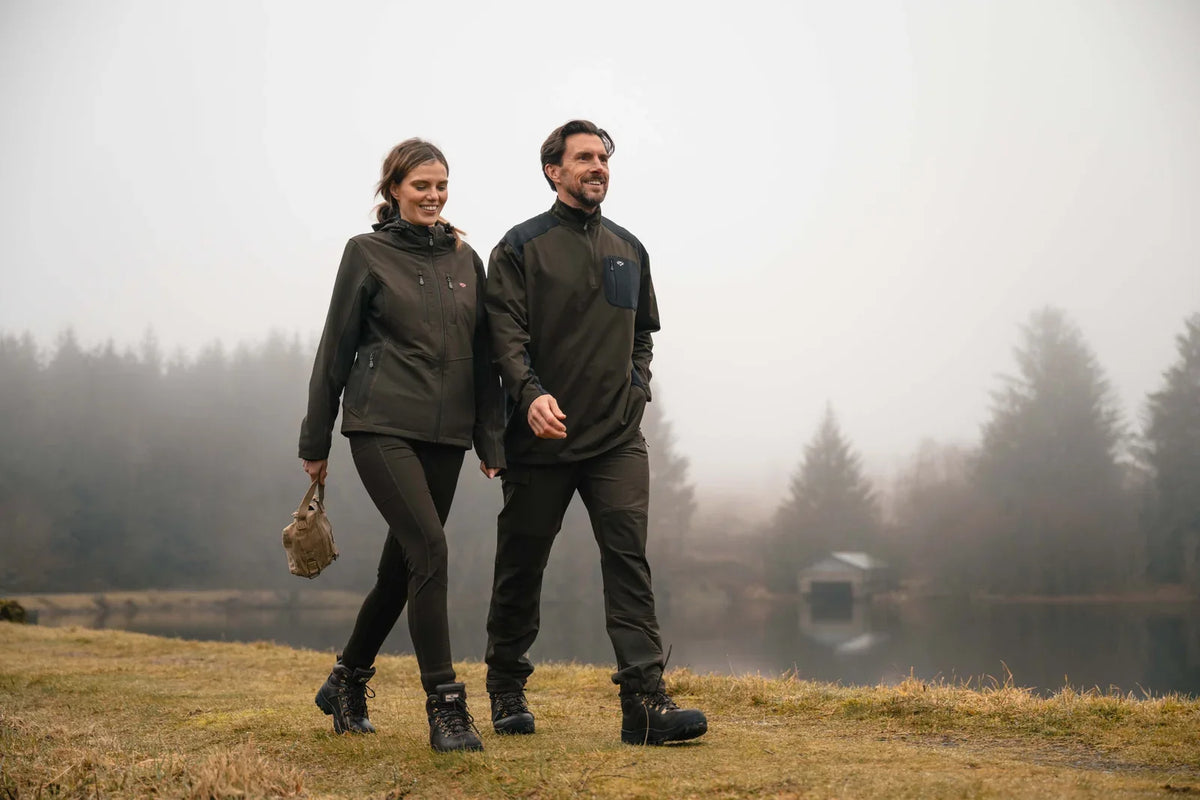
Winter walks often bring changing temperatures, so layering is key. Begin with a moisture-wicking base layer to keep sweat away from the skin, add a fleece or lightly insulated mid layer for warmth, and finish with a wind-resistant outer layer for protection from the elements.
It’s also worth carrying an extra mid layer in your bag. When you stop moving, adding this on helps trap heat and keeps you warm and comfortable during rest breaks.
Cold Weather Work and Long Days Outside
When you’re outside for long periods, layering becomes even more important. Start with a wool base layer to provide steady, reliable warmth. Add two adjustable mid layers so you can adapt to changing conditions throughout the day, then finish with a protective outer layer to shield against wind and weather.
This flexible approach makes it easy to add or remove layers as needed, helping you stay comfortable without losing heat.

Common Layering Mistakes to Avoid
• Wearing cotton as base layer clothing
• Adding too many heavy layers at once
• Ignoring fit, especially at the base layer
• Forgetting ventilation when active
Layer clothing works best when each piece supports the next. Bulky layers that trap moisture can lead to feeling colder over time.
FAQs
1) What is the most important layer when layering clothes for winter?
Base layer clothing is the most important. It controls moisture and helps the body retain warmth.
2) Is wool or synthetic better for base layer clothing?
Both work well. Wool base layer clothing offers warmth and comfort. Synthetic moisture wicking base layer clothing dries faster and suits higher activity.
3) How many layers of clothes are needed in winter?
Most people use three layers. Base layer, mid layer clothing and an outer layer. Colder days may need an extra mid layer.
4) Can layering clothes help indoors too?
Yes. Layered clothing allows comfort indoors without turning heating up too high.
Layering clothes for winter is all about control, comfort, and adaptability. By choosing effective base layer clothing to manage moisture, adding insulating mid layer clothing for warmth, and finishing with a protective outer layer, you can stay warm without feeling restricted or overheated. This approach works just as well for everyday wear as it does for outdoor walks, work, and long winter days outside.
With the right combination of layers, it becomes easier to enjoy winter while staying comfortable in changing conditions. All the layers discussed in this guide are available at John Norris, where you’ll find carefully selected base layers, mid layers, and outerwear designed for UK winters. Visit us in-store for expert advice on layering, jackets, and caring for outdoor clothing you can depend on season after season.