Dry Fly Fishing: A Beginner's Guide to Fishing on the Surface
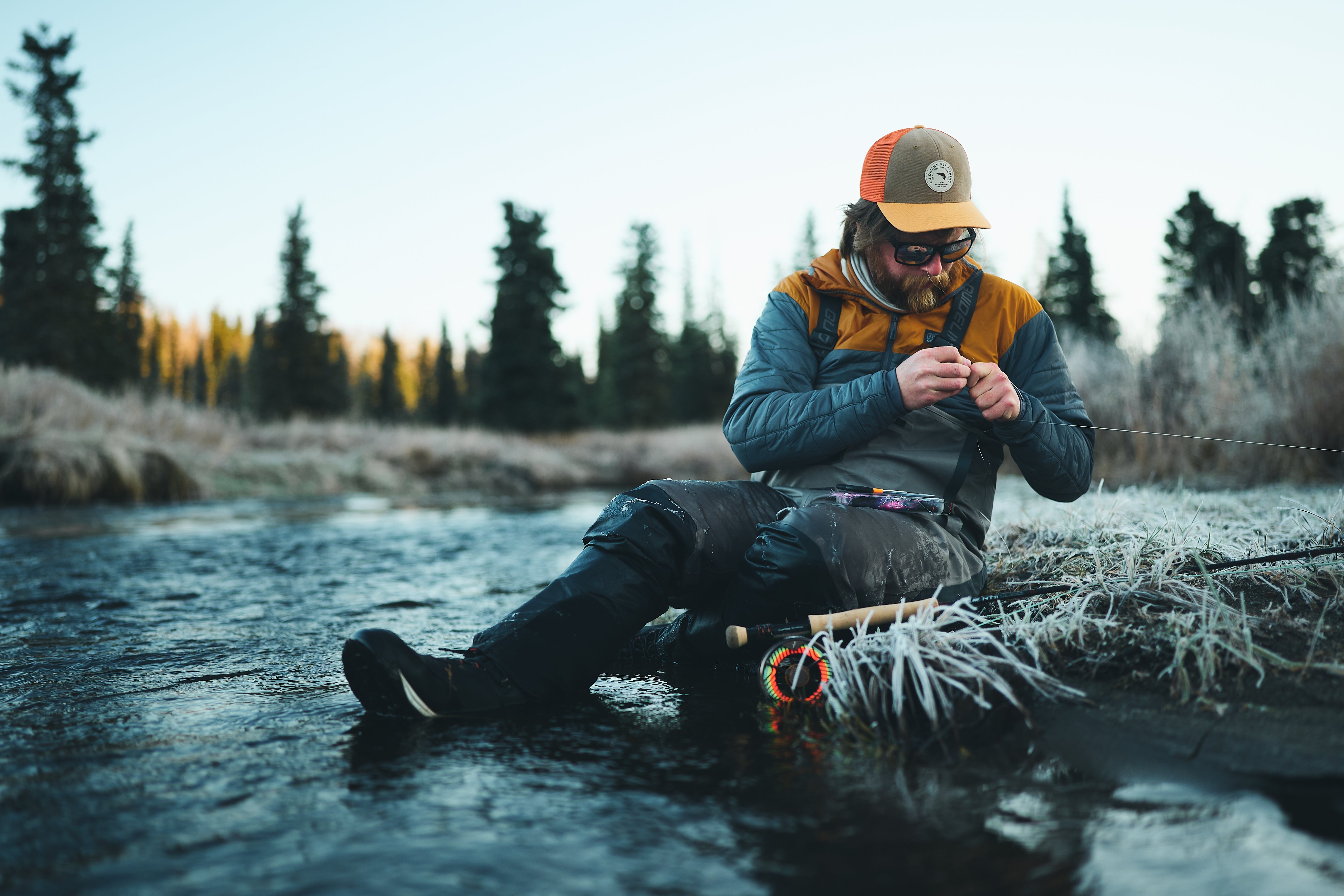
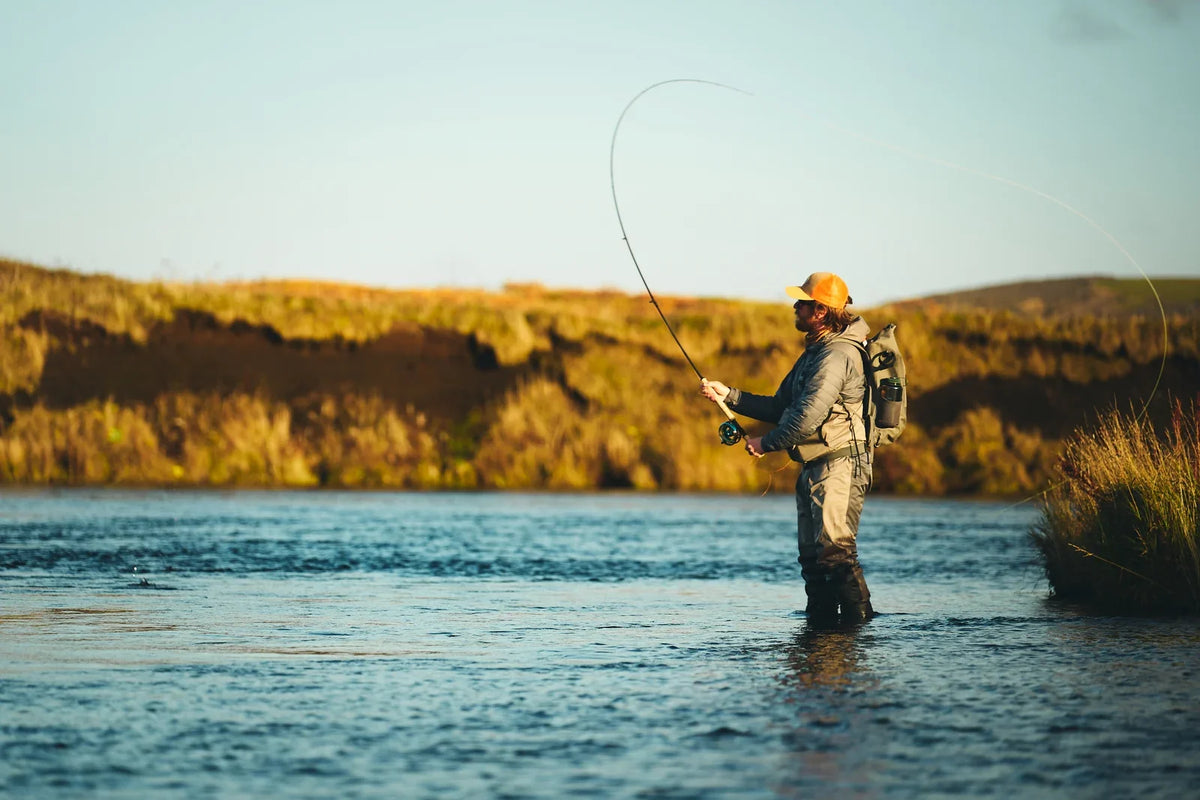
There is nothing quite like it. You are watching a perfectly presented artificial fly drifting down a crease in the current. A nose breaks the surface, your fly disappears, and the line pulls tight. That visual take is what dry fly fishing is all about. It is the pinnacle of the sport for many anglers, and we completely understand why. It is addictive.
At John Norris, we spend a lot of our summer evenings chasing rising trout on the Eden and the Eamont. We know that for a beginner, making the transition from fishing nymphs or lures below the surface to fishing dry flies on top can feel daunting. You have to match the hatch, manage drag, and time your strike perfectly. But do not let that put you off. With the right approach and a few key pieces of kit, you will soon be enjoying the most exciting form of fly fishing there is.
Understanding the Basics
Dry fly fishing is exactly what it sounds like. You are using a fly that floats on the surface of the water, designed to imitate an adult insect that has hatched or a terrestrial insect that has fallen in. Trout will actively feed on these insects, and your job is to convince them that your fly is the real deal.
The key to success is observation. Before you even wet a line, spend ten minutes watching the water. Are fish rising? What are they taking? Are they sipping tiny midges in the film, or aggressively slashing at larger upwing flies? If you can identify what the fish are feeding on, you are halfway there.
The Right Gear for the Job
You do not need a completely new setup to fish dry flies, but a few specific items will make your life much easier. Presentation is everything, and your gear needs to help you achieve a delicate, drag-free drift.
The Fly Line
A good floating fly line is essential. It needs to float high and cast smoothly. If you are looking for a reliable, everyday option, the Scientific Anglers Air Cel Floating Fly Line is a brilliant starting point. For those wanting premium performance, the Scientific Anglers Amplitude Smooth Infinity offers incredible slickness and buoyancy, making mending and presentation a breeze.
Leaders and Tippet
Your leader is the vital link between your thick fly line and your tiny fly. For dry fly fishing, a tapered leader is crucial. It helps turn the fly over gently. The Rio Powerflex Plus Tapered Leaders in a 9ft or 12ft length are our go-to choice.
To the end of your tapered leader, you will add your tippet. We strongly recommend standard nylon (copolymer) for dry fly fishing rather than fluorocarbon. Nylon floats better and is more supple, allowing your fly to behave naturally. Maxima Ultra Green is a classic for a reason, or you can try the specialist Umpqua Stratos X Dry Fly Tippet.
Keeping It Afloat
A dry fly will only catch fish if it actually stays dry. You need floatant. There are two main types you should carry: a gel or liquid to treat the fly before it gets wet, and a powder or desiccant to dry it out once it gets waterlogged.
|
Product Type |
Our Recommendation |
Best Used For |
|
Gel Floatant |
Treating hackled flies before the first cast. |
|
|
Liquid/Spray |
Quick application on larger flies. |
|
|
Powder/Brush |
Reviving a sunken fly after catching a fish. |
|
|
CDC Oil |
Specifically for delicate CDC patterns (never use standard gel on CDC). |
It is also worth carrying some Fulling Mill Fullers Mud. You rub this on the last few feet of your tippet to remove the shine and help it sink just below the surface film, so the fish only see your fly, not your line.
Essential Dry Flies for Beginners
Walking into a tackle shop and staring at thousands of flies is overwhelming. Do not overcomplicate it. You only need a handful of reliable patterns to get started on UK rivers.
1. The Adams: If you only carry one dry fly, make it an Adams. It does not imitate anything specific, but it looks like a lot of different things. It is a brilliant general searching pattern.
2. Klinkhåmer: Designed to sit low in the water like an emerging insect. It is highly visible to the angler and deadly effective.
3. Griffith's Gnat: Essential for when fish are sipping tiny midges on calm glides.
4. Blue Winged Olive (BWO): A staple summer hatch on almost every UK river. You need a few of these in your box.
5 . Elk Hair Caddis / Sedge: For the evening rise when sedges are fluttering on the surface. They float like a cork and can be skated across the current.
Keep them organised in a proper box. The Snowbee Classic Dry Fly Box, currently in our sale, has enough depth so you do not crush the delicate hackles of your flies.
Frequently Asked Questions
Q: Why is my dry fly sinking?
A: Usually, it is because you have not applied enough floatant, or the fly is waterlogged after catching a fish. Squeeze it dry with some amadou or a tissue, apply a powder desiccant like Guideline High N Dry, and recast. Also, check your tippet is not pulling it under.
Q: When should I strike when fishing a dry fly?
A: This is the hardest part for beginners. When you see the fish, take a deliberate pause before lifting the rod. If you strike the instant you see the splash, you will often pull the fly straight out of the trout's mouth.
Q: What is 'drag' and why is it bad?
A: Drag is when the current catches your thick fly line and pulls your tiny fly across the surface faster or slower than the natural flow of the water. Real insects do not leave a wake like a speedboat. If your fly is dragging, the fish will ignore it. You need to mend your line to ensure a natural, drag-free drift.
Ready for the Rise
Summer evenings are made for dry fly fishing. Take your time, watch the water, and enjoy the visual spectacle of a trout taking off the surface. We have everything you need to get started in our trout flies collection and fly lines department. If you are struggling with your presentation or need some advice on local hatches, drop into our Penrith store. We are always happy to point you in the right direction.